




Cyclone Arnab: Health and Safety Precautions Before and After a Storm
Cyclones and severe rainfall can threaten health long after the strongest winds have passed. Floodwater, contaminated drinking water, power cuts, injuries and disrupted medical services can create...

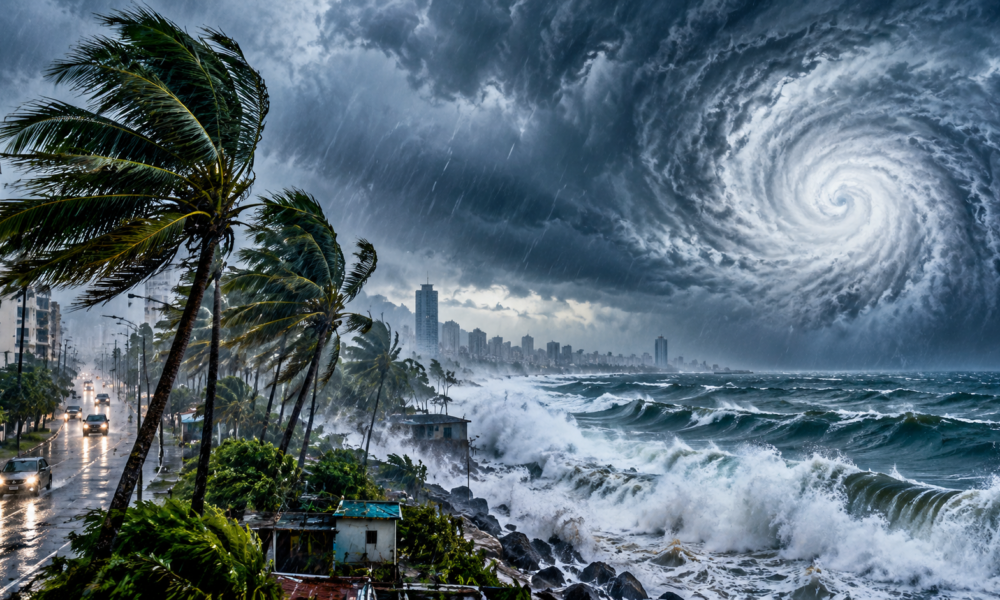
Cyclones and severe rainfall can threaten health long after the strongest winds have passed. Floodwater, contaminated drinking water, power cuts, injuries and disrupted medical services can create additional risks for families.
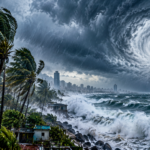
On 26 October 2026, the India Meteorological Department reported that Cyclonic Storm Arnab had intensified over the Bay of Bengal, prompting warnings for the Andhra Pradesh coast and adjoining southern Odisha. Residents should follow the latest official forecasts because a cyclone’s track, intensity and expected landfall can change.
Prepare medicines and emergency supplies
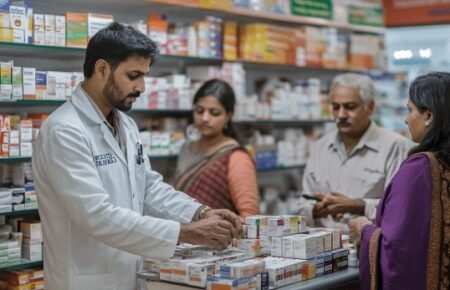
Families should prepare an emergency kit containing drinking water, packaged or safely stored food, a torch, batteries, a first-aid kit and essential medicines.
People who take regular medication should check their supplies in advance and keep prescriptions or a list of medicines accessible. Where possible, protect medicines from water, excessive heat and power interruptions. Anyone who relies on powered medical equipment should discuss an emergency backup plan with their healthcare provider.
Keep important medical documents and emergency contact numbers in a waterproof bag.
Protect drinking water and food
Flooding can contaminate water supplies with sewage, chemicals and other harmful substances. Do not assume that water is safe simply because it looks clear.
Follow instructions from local authorities about drinking-water safety. If the supply is declared unsafe, use sealed bottled water or an approved treatment method recommended by health authorities.
Keep food in clean, covered containers. Discard food that has been exposed to floodwater or that may have spoiled because of a prolonged power cut. Wash hands with soap before handling food and after cleaning contaminated areas.
Avoid injuries and infections
Stay indoors or move to an officially designated safe location when authorities advise evacuation. Avoid walking or driving through floodwater because its depth, current and underlying hazards may be difficult to judge.
Floodwater may contain sewage, sharp objects or animal waste. If contact is unavoidable, use appropriate protective equipment and wash exposed skin with clean water and soap as soon as possible.
Seek medical care for deep wounds, suspected fractures, breathing difficulties or other serious symptoms. Do not enter damaged buildings until authorities consider them safe.
Pay attention to vulnerable people
Children, older adults, pregnant people and individuals with chronic illnesses may need additional support during emergencies.
Check that neighbours and relatives who live alone have access to safe shelter, food, medicines and communication. Keep children away from electrical equipment, damaged power lines and floodwater.
Stress and anxiety are also common during severe weather. Clear information, family contact and access to safe shelter can help reduce distress.
What should families do after the cyclone?
Return home only when local authorities say it is safe. Avoid downed electrical wires, unstable structures and water that may be contaminated.
Clean and disinfect affected surfaces appropriately, and use protective equipment when handling debris. Seek official guidance if the home has been flooded or drinking-water systems have been damaged.
The bottom line
Cyclone preparedness is about more than protecting property. Safe water, essential medicines, injury prevention and reliable information can reduce health risks before and after a storm.

No Comment! Be the first one.