




Osteoporosis Risk in Indian Women Over 50: Why Early Bone Health Checks Matter
Osteoporosis is a growing public health concern in India, particularly among older women. A report published by The Indian Express on October 29 highlights estimates that one in three Indian women...

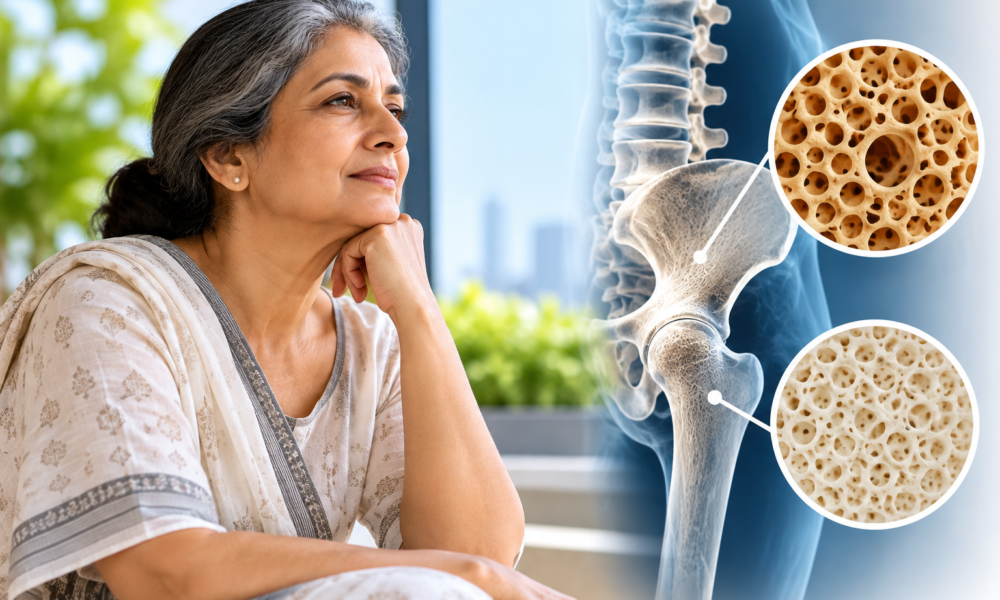
Osteoporosis is a growing public health concern in India, particularly among older women. A report published by The Indian Express on October 29 highlights estimates that one in three Indian women aged 50 and above is at risk of osteoporosis-related fractures.
Osteoporosis is a condition in which bones become weaker and more likely to break. It can develop without obvious symptoms, which means many people may not discover the problem until they experience a fracture.
The report also highlights a new Bone Health Score Card introduced by the Osteoporosis Society of India (OSI), in association with Sun Pharma, to help healthcare professionals identify people who may need further assessment.
The development highlights the importance of recognising bone health risks early, particularly among women after menopause.
What Is Osteoporosis?
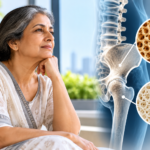
Osteoporosis is a bone disease that reduces bone strength and increases the risk of fractures. Healthy bones constantly break down and rebuild tissue. When this process becomes unbalanced, bone density and structure can deteriorate.
The condition can affect different parts of the body, including the hips, spine and wrists. A fracture may sometimes occur after a minor fall or impact that would not usually break a healthy bone. These injuries are known as fragility fractures.
Osteoporosis is often called a silent disease because it may not cause noticeable symptoms during its early stages. Some people only discover that their bones have weakened after sustaining a fracture.
According to the World Health Organization (WHO), fragility fractures are an important health concern among older adults, particularly women. Early risk assessment and appropriate treatment can help reduce the likelihood of these injuries.
Why Are Women Over 50 at Greater Risk?
Ageing is an important risk factor for osteoporosis. Women may face an additional increase in bone loss after menopause because declining oestrogen levels can accelerate the loss of bone density.
However, menopause does not mean that every woman will develop osteoporosis. Individual risk depends on several factors, including medical history, family history, body weight, lifestyle and certain medications.
A previous fracture, particularly one resulting from a minor fall, may also indicate a higher risk of future fractures.
Smoking, physical inactivity and inadequate nutrition can contribute to poor bone health. Some medical conditions and treatments, including prolonged use of certain steroid medicines, may also increase the risk.
These factors make it important to discuss bone health with a healthcare professional, especially when several risk factors are present.
What Does the New Bone Health Score Card Do?
According to The Indian Express, the Osteoporosis Society of India has introduced a Bone Health Score Card to help healthcare professionals identify people who may require further investigation.
The tool uses eight risk parameters, including age, body mass index (BMI), family history, existing medical conditions, smoking, systemic steroid use and certain cancer treatments.
The score card assigns points to different risk factors. The combined score helps place a person into a risk category and can guide decisions about whether further medical assessment may be necessary.
The report states that a previous fragility fracture after the age of 40 places a person in the very-high-risk category, regardless of the total score.
The tool is intended to make initial risk assessment more consistent across healthcare settings. It may help doctors identify people who should undergo additional evaluation rather than relying only on symptoms.
However, the score card is a screening aid, not a diagnostic test. A high score does not automatically confirm osteoporosis, and a low score does not completely rule it out.
What Tests Can Help Detect Osteoporosis?
Doctors may recommend further investigations based on a person’s medical history, risk factors and clinical assessment.
One commonly used investigation is a dual-energy X-ray absorptiometry scan, known as a DXA or DEXA scan. It measures bone mineral density and can help doctors assess osteoporosis.
In some circumstances, doctors may consider other imaging methods or blood tests. These may include tests for calcium, vitamin D or other factors relevant to bone health.
Not everyone needs the same tests. A healthcare professional can determine which investigations are appropriate for an individual.
People should not delay medical advice simply because they have no pain or other obvious symptoms. Osteoporosis can remain unnoticed until a fracture occurs.
How Can People Protect Their Bone Health?
Although some risk factors, such as age and family history, cannot be changed, several everyday habits can support bone health.
Eat a balanced diet. Calcium is important for maintaining bones. Foods that provide calcium include dairy products, calcium-fortified plant drinks, calcium-set tofu and some green vegetables. Nutritional needs vary, so people should discuss concerns about deficiencies with a healthcare professional.
Maintain adequate vitamin D levels. Vitamin D helps the body absorb calcium. Sunlight, food and supplements can contribute to vitamin D status, but individual needs differ. Supplements should be used appropriately, particularly when high doses are being considered.
Stay physically active. Weight-bearing activities, such as walking, and suitable strength-training exercises can help support bone and muscle health. Exercise should be adapted to a person’s fitness, balance and medical conditions.
Avoid smoking. Smoking is a recognised risk factor for poor bone health. Stopping smoking can support overall health and may help reduce preventable risks.
Reduce the risk of falls. Keep floors clear, ensure rooms and stairways are adequately lit, and use suitable footwear. Older adults with balance difficulties may benefit from a professional assessment and exercises designed to improve balance and strength.
Discuss risk factors with a doctor. People with previous fragility fractures, a strong family history, prolonged steroid use or other recognised risk factors should ask a healthcare professional whether bone health assessment is appropriate.
These steps can support prevention, but they cannot guarantee that osteoporosis or fractures will never occur.
Why Early Detection Matters
A fracture can affect a person’s mobility, independence and quality of life. Hip and spinal fractures can be particularly serious, especially among older adults who may already have other health conditions.
Identifying people at increased risk before a fracture occurs gives healthcare professionals an opportunity to assess bone health and discuss appropriate preventive measures or treatment.
The new Bone Health Score Card is intended to support this process by helping clinicians identify people who may need additional testing. Its effectiveness in routine practice will depend on appropriate use, follow-up assessment and access to healthcare.
People should remember that screening tools support clinical decisions rather than replace professional diagnosis.
What Should Women Over 50 Do Next?
Women aged 50 and above should consider discussing bone health during routine medical consultations, particularly if they have experienced a fracture after a minor fall or have other osteoporosis risk factors.
They should ask their healthcare professional whether a bone density assessment is appropriate for their individual circumstances. People with a suspected fracture should seek prompt medical attention.
The broader message is simple: bone health deserves attention before a serious injury occurs. Awareness, appropriate screening, regular physical activity, balanced nutrition and fall prevention can all form part of a sensible approach to healthier ageing.
Health disclaimer: This article is for general information and does not replace medical advice, diagnosis or treatment. Consult a qualified healthcare professional about personal risk factors and appropriate screening.



No Comment! Be the first one.