








Water Quality During Monsoon: How Contaminated Water Can Cause Common Infections
Monsoon flooding and waterlogging can turn drinking-water safety into a major public-health issue. When sewage, floodwater and damaged sanitation systems come into contact with water supplies, the...

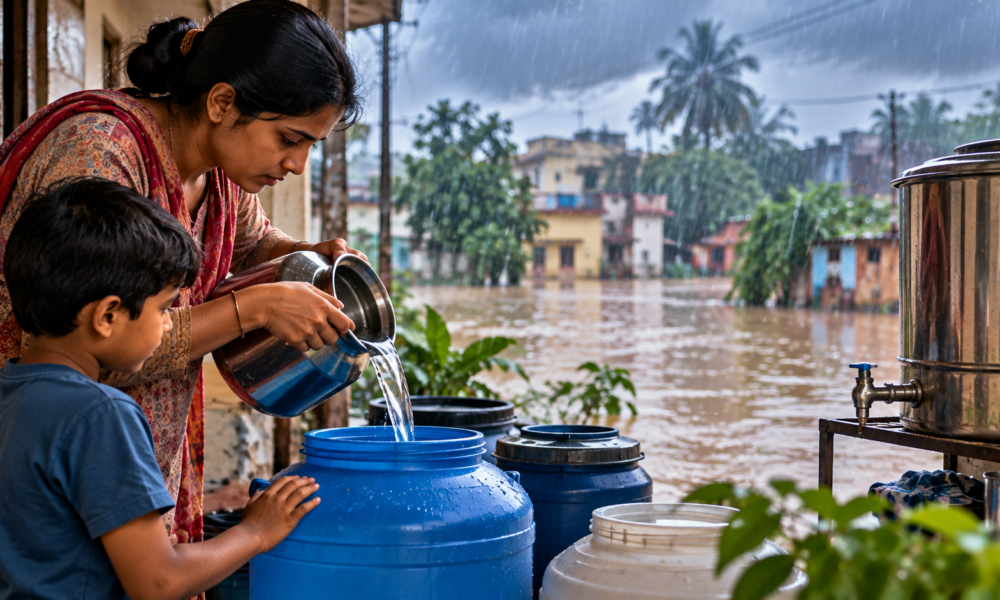
Monsoon flooding and waterlogging can turn drinking-water safety into a major public-health issue. When sewage, floodwater and damaged sanitation systems come into contact with water supplies, the risk of waterborne infection can increase.
The World Health Organization says safe drinking water and sanitation are fundamental to health and that contaminated water can contribute to diseases including cholera, diarrhoea, dysentery, hepatitis A and typhoid.
Hepatitis A is particularly associated with contaminated food and water. WHO says the virus is primarily transmitted when people ingest food or water contaminated with faeces from an infected person, with inadequate sanitation and hygiene increasing the risk.
During monsoon flooding, contamination can occur when overflowing drains, sewage and surface water enter wells, pipelines, storage tanks or other water sources. Even water that looks clear may not necessarily be safe.
Households should therefore follow local authorities’ advice if a water source has been declared contaminated. Where appropriate, water used for drinking and food preparation should be boiled or treated according to official guidance. WHO specifically recommends boiling or chlorinating water following floods when contamination is possible.
Food hygiene is equally important. People should wash hands with safe water before eating or preparing food and should avoid consuming food that has come into contact with contaminated floodwater.
Symptoms of waterborne infections can vary. Diarrhoea, vomiting, abdominal discomfort and fever are common warning signs for several gastrointestinal infections. Some diseases, including hepatitis A, can also cause fatigue, nausea and jaundice.
Children, older adults and people with existing health conditions can be particularly vulnerable to dehydration from prolonged diarrhoea or vomiting.
Monsoon health protection is therefore not simply about avoiding rain. It also involves protecting household water and food from contamination.
People experiencing severe dehydration, persistent vomiting, blood in stools, high fever, confusion or other serious symptoms should seek medical care promptly.
As monsoon conditions become increasingly variable, safe water remains one of the most practical forms of disease prevention available to households.





No Comment! Be the first one.