







Damp Homes and Health: How Poor Housing Can Affect Your Lungs
A home can protect people from the outside environment, but poor housing conditions can also create health risks inside the house. Damp walls, mould, poor ventilation, indoor smoke and water leaks...

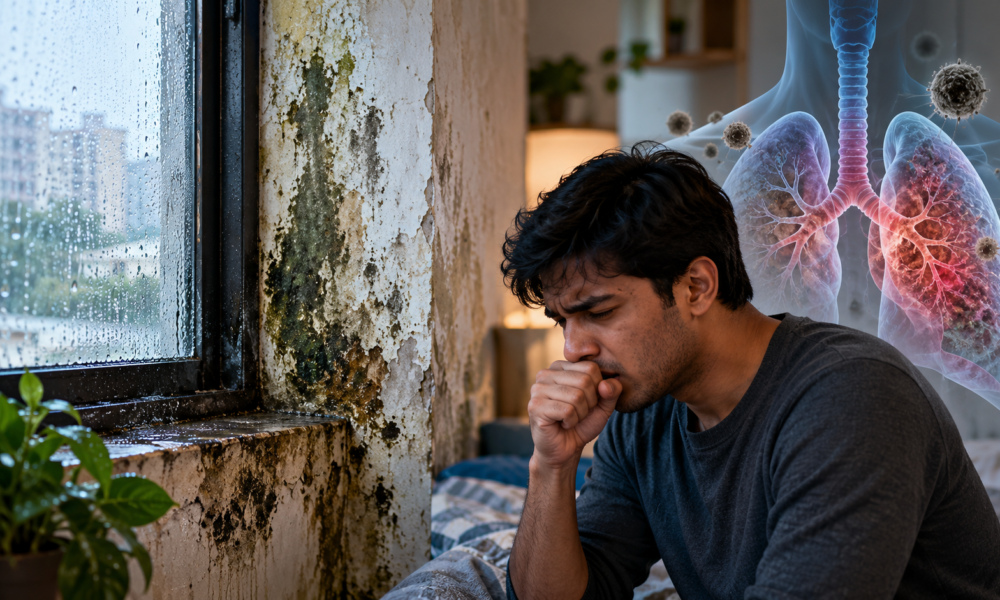
A home can protect people from the outside environment, but poor housing conditions can also create health risks inside the house. Damp walls, mould, poor ventilation, indoor smoke and water leaks can all affect indoor air quality.
The World Health Organization identifies dampness and mould as important housing-related environmental health risks. It says moisture and mould exposure can increase the risk of respiratory symptoms, allergies and asthma, while poor housing conditions can also contribute to infectious and other health problems.
Dampness is particularly common after prolonged rainfall or when homes have leaking roofs, damaged walls, plumbing problems or poor ventilation. Moisture can accumulate behind furniture, around windows and in bathrooms, sometimes without being immediately visible.
Mould is one of the clearest signs of a moisture problem. It may appear as black, green, white or other coloured patches on walls and ceilings. A persistent musty smell can also indicate microbial growth even when visible mould is limited.
For people with asthma or allergies, damp environments can be particularly troublesome. WHO’s evidence review found that occupants of damp or mouldy buildings have increased risks of respiratory symptoms, respiratory infections and worsening asthma.
Children, older adults and people with existing respiratory conditions may need particular attention. WHO also recommends public information and preventive measures for vulnerable groups living in damp or poorly maintained housing.
The solution is not simply to paint over a mouldy wall. Painting may temporarily hide the visible problem while the underlying moisture remains. The source of the dampness needs to be identified and addressed.
For example, a leaking pipe requires plumbing repairs, while water entering through a roof may require structural repair. Poor ventilation in bathrooms and kitchens can sometimes be improved by using exhaust fans, opening windows where appropriate and allowing wet surfaces to dry.
Furniture should not be pushed tightly against damp walls if doing so prevents air circulation. Wet clothes should also be dried in well-ventilated areas rather than in rooms where moisture already accumulates.
Indoor air quality is another important part of the picture. WHO identifies household air pollution from polluting cooking and heating systems as a major health concern because it can expose people to harmful particulate matter and other pollutants.
People should also avoid smoking indoors. Smoke adds another source of indoor air pollution and can be particularly harmful to children and people with respiratory conditions.
If someone develops persistent coughing, wheezing, breathlessness, repeated allergic symptoms or worsening asthma while living in a damp environment, medical advice may be appropriate. The symptoms should not automatically be attributed to mould because respiratory problems can have many causes.
A healthier home therefore begins with more than furniture and decoration. Dry walls, good ventilation, safe cooking practices, clean water, proper maintenance and adequate protection from extreme temperatures are all part of a healthy living environment.
The central lesson is simple: when a home stays damp, fixing the moisture problem is a health measure, not just a cosmetic repair.





No Comment! Be the first one.