






Delhi Air Pollution: How Commuters Can Protect Their Lungs
Delhi’s air pollution can make every day travel a health concern, particularly during periods of high particulate pollution. Office workers, students, delivery personnel and people who spend...

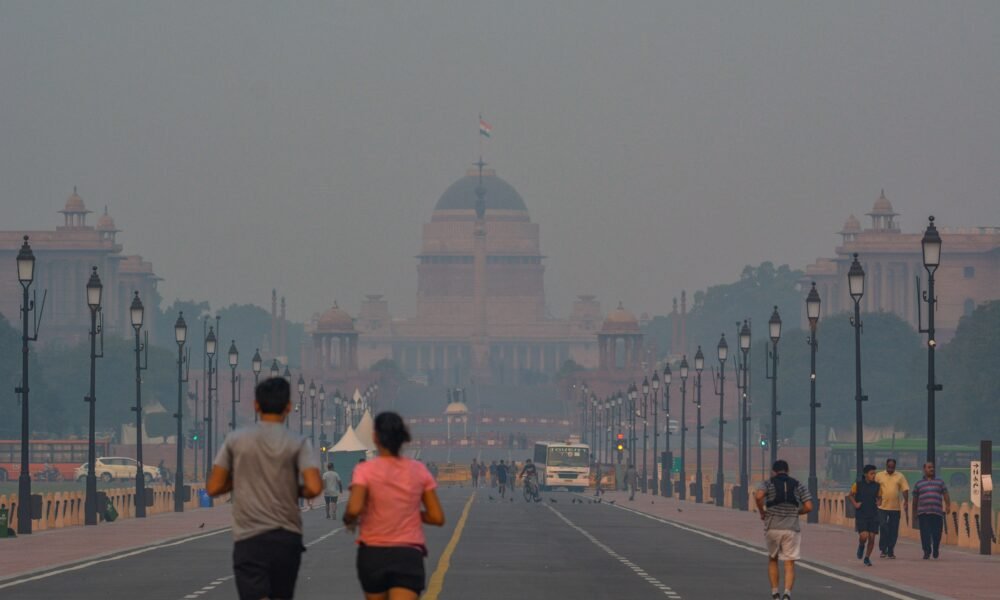
Delhi’s air pollution can make every day travel a health concern, particularly during periods of high particulate pollution. Office workers, students, delivery personnel and people who spend hours travelling through busy roads may face repeated exposure to polluted air.
One important pollutant is PM2.5, a type of fine particulate matter that can penetrate deep into the lungs. Long-term exposure to air pollution is associated with respiratory and cardiovascular health risks. Although commuters cannot eliminate pollution entirely, practical precautions can help reduce exposure.
How Does Air Pollution Affect the Lungs?
Air pollution contains fine particles and gases released by vehicles, industries, construction activity and other sources. PM2.5 particles are particularly concerning because of their small size.
Exposure may irritate the eyes, nose and throat. Some people experience coughing, wheezing, breathlessness or worsening asthma symptoms. Children, older adults, pregnant women and people with existing heart or lung conditions may be particularly vulnerable.
Symptoms should not automatically be blamed on pollution. Persistent respiratory problems require medical assessment.
Choose Your Travel Route Carefully
Whenever possible, avoid spending unnecessary time beside congested roads, construction sites and areas with heavy vehicle emissions. If your journey allows it, choose a route that keeps you away from the busiest traffic corridors.
Check the local Air Quality Index (AQI) before travelling. When pollution levels are high, consider reducing prolonged outdoor activity and moving strenuous exercise indoors.
If you cycle or walk to work, consider adjusting your route or travel time when practical. Do not assume that every alternative route is cleaner, as local conditions can vary.
Can Masks Help Protect Commuters?
A properly fitted, certified particulate respirator, such as an N95, can filter many airborne particles. Fit matters: gaps around the nose and cheeks reduce protection.
Ordinary cloth masks, loose surgical masks, scarves and handkerchiefs should not be treated as equivalent protection against fine particulate pollution.
People with existing respiratory or cardiac conditions should seek medical advice if wearing a respirator causes discomfort or breathing difficulties. A mask is only one precaution, not a complete solution.
Improve Indoor Air Quality
Your home and workplace can also be affected by outdoor pollution. During severe pollution episodes, keep windows closed when outdoor air is particularly polluted, while maintaining appropriate ventilation when conditions improve.
A suitable air purifier with a high-efficiency particle filter may help reduce indoor particles in an appropriately sized room. Follow the manufacturer’s guidance on room coverage and filter replacement.
Avoid indoor smoking, incense and unnecessary burning, which can add to indoor pollution. Air purifiers do not remove every pollutant and cannot replace broader efforts to reduce emissions.
Recognise Warning Signs
Seek medical advice if you experience persistent coughing, wheezing, unusual breathlessness or worsening asthma symptoms. Severe breathing difficulty, chest pain, fainting or blue-grey lips require urgent medical attention.
People with asthma or other chronic conditions should follow their clinician’s existing treatment plan rather than changing medication independently.
Small Steps, Wider Solutions
Reducing exposure is useful, but the lasting solution requires cleaner transport, effective pollution control and better urban planning. Commuters can make informed daily choices while supporting measures that improve air quality for everyone.
Disclaimer: This article provides general health information and does not replace individual medical advice.






No Comment! Be the first one.