



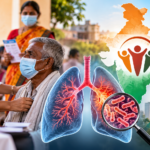




How Digital Health Records Could Change the Way Indians Manage Their Medical History
For years, generations in India have witnessed the collection of paper prescriptions, lab reports, X-rays, discharge summaries and hospital files. The system can work when a patient remains with the...


For years, generations in India have witnessed the collection of paper prescriptions, lab reports, X-rays, discharge summaries and hospital files. The system can work when a patient remains with the same doctor or hospital, but healthcare becomes complex when workers shift between cities, especially healthcare providers.
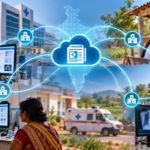
That is where digital health records come in handy. India’s Ayushman Bharat Digital Mission is building an interoperable health tech ecosystem in which health records can be linked to ABHA and shared with healthcare providers through a consent-based mechanism.
The idea is straightforward: instead of treating every hospital visit as a separate event, a patient’s medical information can gradually become part of a longitudinal health history.
This could be particularly useful for people with chronic conditions.
Consider someone managing diabetes or heart disease. Over several years, the patient may have blood tests, prescriptions, consultations and hospital visits at different locations. A connected digital record could help the patient and authorised healthcare providers see a more complete picture.
Continuity of information can matter for treatment decisions.
Doctors often need to know what medicines a patient has previously taken, what tests have already been performed and whether earlier treatments produced results. Missing information can lead to repeated tests or incomplete medical histories.
Digital records cannot eliminate these problems completely, but they can make relevant information easier to access.
There are also practical benefits for patients.
People frequently lose prescriptions or forget the exact name of a medicine prescribed months earlier. Digital records can reduce dependence on physical documents.
The system could also become useful during emergencies. If a patient reaches a new hospital and relevant records are available through an interoperable system, healthcare professionals may be able to understand previous treatment more quickly, subject to the applicable consent and access framework.
However, digital records also create responsibilities.
Health information is extremely sensitive. A patient’s medical history should not become freely accessible merely because it is stored digitally.
Privacy, security and informed consent therefore have to remain central to the system.
There is also the question of digital inequality.
Not every patient has a smartphone, reliable internet connection or confidence using digital services. A truly inclusive health-record system must therefore support assisted access rather than assuming every citizen is digitally comfortable.
Healthcare providers also need compatible software.
A digital record is useful only when hospitals, laboratories, clinics and other participating facilities can create and exchange information in a standardised manner.
India’s progress is substantial. In May 2026, the government reported that more than 100 crore health records had been linked with ABHA. By July 2026, more than 94 crore ABHA accounts had been created.
These numbers suggest that digital health records are moving towards mass adoption.
The real test, however, will be what patients experience.
If digital records reduce paperwork, prevent unnecessary repetition, improve continuity of care and give citizens greater control over their medical information, they could become one of the most useful pieces of India’s healthcare infrastructure.






No Comment! Be the first one.