







Digital Healthcare in India: Can Technology Make Medical Care More Accessible?
Technology is changing how people access healthcare in India. Online medical consultations, digital health records and technology-supported clinical services are becoming a larger part of the...

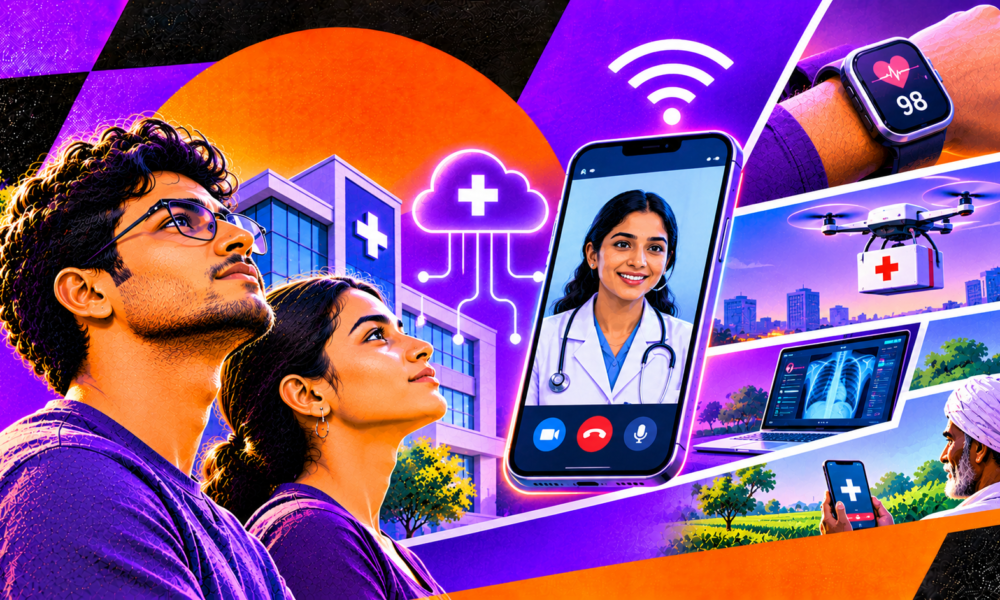
Technology is changing how people access healthcare in India. Online medical consultations, digital health records and technology-supported clinical services are becoming a larger part of the country’s healthcare system.
One major initiative is the Ayushman Bharat Digital Mission (ABDM), which aims to create a connected digital health ecosystem. It provides people with an Ayushman Bharat Health Account (ABHA), a digital health identity that can help them link and share health records with their consent.
According to the Ministry of Health and Family Welfare, the programme crossed 90 crore ABHA accounts in May 2026.
Telemedicine is also expanding. India’s eSanjeevani platform had delivered more than 49 crore consultations by August 11, 2026, according to government figures. The platform connects patients with healthcare providers through digital consultations.
People living in smaller towns and remote areas may find it difficult to reach specialist doctors. Telemedicine can help them access medical advice without always travelling long distances.
Digital health records can also make it easier to organise medical information and share it with healthcare providers when patients give permission.
Digital healthcare can make some services more convenient, especially follow-up consultations and access to basic medical advice.
However, an ABHA account does not automatically mean that a person has a complete digital medical record or guaranteed access to treatment. People also need internet access, digital awareness and healthcare providers who can use these systems effectively.
Online consultations cannot replace emergency care or physical examinations when these are medically necessary.
India’s digital health future will depend on secure data handling, patient consent, reliable connectivity and the availability of qualified healthcare professionals.
Technology can improve access, but it must support the doctor-patient relationship rather than replace it.

No Comment! Be the first one.