






El Niño and Older Adults: Heat Risks, Hydration and Essential Safety Tips
El Niño can influence temperature and rainfall patterns across different parts of the world. These changes may create health challenges, particularly for older adults who have difficulty coping with...

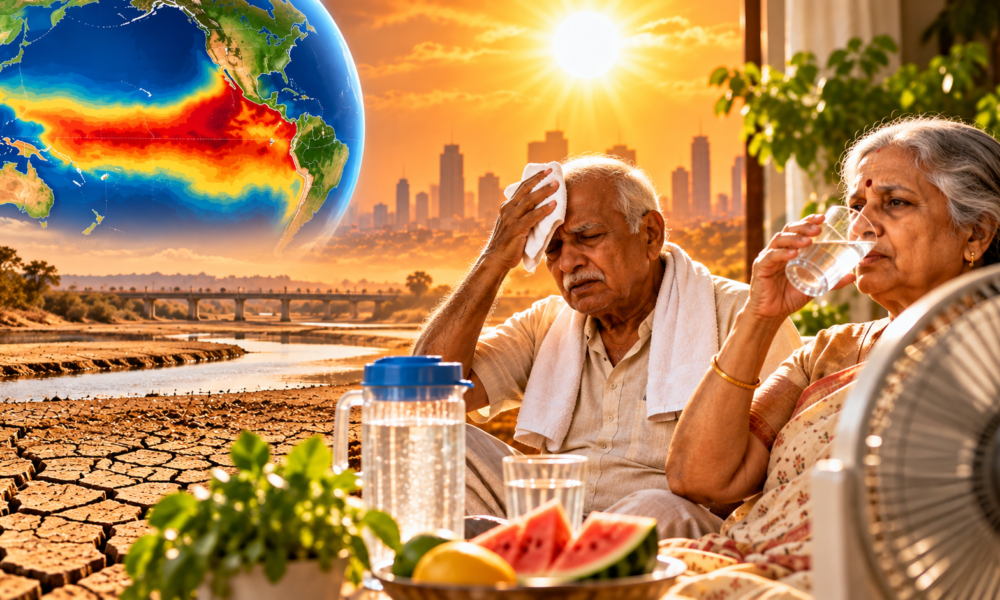
El Niño can influence temperature and rainfall patterns across different parts of the world. These changes may create health challenges, particularly for older adults who have difficulty coping with extreme heat or disruptions to water and healthcare services.
The actual effects vary by location, season and local conditions. Preparing for extreme weather and following official advisories can help families reduce potential health risks.
WHY CAN HEAT BE RISKIER FOR OLDER ADULTS?
As people age, the body’s ability to regulate temperature may become less effective. Some older adults may also have chronic illnesses or take medicines that affect hydration, sweating or blood pressure.
During hot weather, prolonged exposure can lead to dehydration, heat exhaustion and heatstroke. People who live alone, have limited mobility or lack reliable cooling may face additional challenges.
Warning signs of heat-related illness can include dizziness, weakness, headache, nausea and unusually heavy sweating. Confusion, collapse or severe changes in consciousness can indicate a medical emergency.
HOW CAN FAMILIES REDUCE HEAT RISKS?
Encourage older family members to stay in a cool, well-ventilated space during hot periods. Use fans or air conditioning where available and practical, and close curtains against direct sunlight.
Offer water regularly, unless a healthcare professional has advised a fluid restriction. People with certain heart or kidney conditions may need individual guidance on fluid intake.
Plan outdoor activities for cooler hours and encourage light, breathable clothing. Check on older relatives and neighbours during heat alerts, especially if they live alone.
Never leave an older adult in a parked vehicle. Temperatures inside vehicles can rise quickly, creating a dangerous environment.
WHY DOES WATER SAFETY MATTER DURING CLIMATE STRESS?
Changes in rainfall can affect water availability in some areas. When supplies become unreliable, households may store water for longer periods or rely on alternative sources.
Store drinking water in clean, covered containers and use a reliable supply. Follow local public-health instructions if authorities warn that water may be contaminated.
Keep water-storage containers covered to reduce contamination and mosquito breeding. Avoid assuming that all water from a clear-looking source is safe to drink.
Families should also maintain a practical supply of essential medicines and know how to contact healthcare services during extreme weather or local disruptions.
WHAT SHOULD CAREGIVERS WATCH FOR?
Older adults may not always recognise or communicate early symptoms of heat-related illness. Caregivers should watch for unusual weakness, dizziness, headache, nausea or changes in behaviour.
If heatstroke is suspected, call emergency services immediately, move the person to a cooler place and begin cooling them while awaiting help. Do not give fluids to someone who is confused or unconscious.
People with chronic medical conditions should ask their healthcare professional whether their medicines, fluid needs or existing care plans require adjustment during very hot weather. They should not stop prescribed medicines on their own.
PREPAREDNESS STARTS AT HOME
El Niño does not mean every Indian region will experience the same weather or health impacts. Monitoring local forecasts and official advisories is more useful than relying on broad predictions alone.
Simple preparations, regular check-ins and timely medical care can help families reduce avoidable risks for older adults during periods of extreme heat or water stress.
DISCLAIMER
This article provides general health information. Follow local weather and public-health advisories and seek medical advice for individual care needs.





No Comment! Be the first one.