







Fatty Liver Disease: Why More Indians Are Paying Attention to Their Liver Health
Fatty liver disease is attracting increasing attention among Indian internet users as awareness of metabolic health and lifestyle-related conditions grows. A recent analysis of Google Trends data...

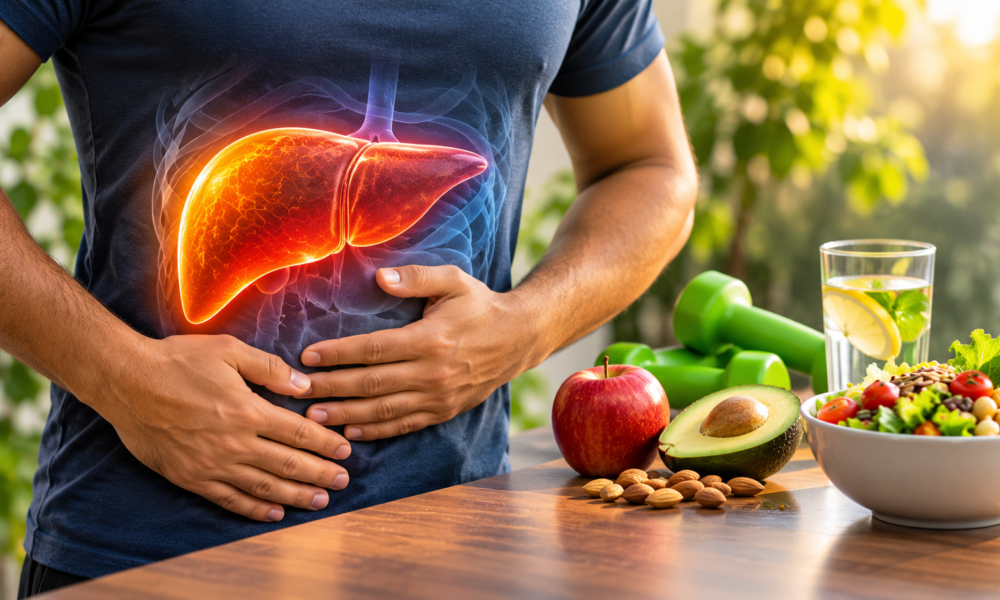
Fatty liver disease is attracting increasing attention among Indian internet users as awareness of metabolic health and lifestyle-related conditions grows.
A recent analysis of Google Trends data covering 51 health-related search terms identified fatty liver as one of the conditions experiencing growth in online search interest.
The development reflects an important shift in healthcare awareness: people are increasingly interested in understanding health conditions that may develop without obvious symptoms.
What is fatty liver disease?
Fatty liver disease refers to excessive accumulation of fat in the liver.
The condition associated with metabolic dysfunction is now commonly known as metabolic dysfunction-associated steatotic liver disease (MASLD).
It is associated with metabolic risk factors such as obesity, type 2 diabetes, abnormal cholesterol levels and high blood pressure.
In some individuals, the condition can progress to liver inflammation, fibrosis and cirrhosis.
Why is the condition difficult to identify?
One of the major challenges associated with fatty liver disease is that many people do not experience noticeable symptoms during its early stages.
Some individuals may discover the condition during routine medical investigations or abdominal imaging conducted for unrelated reasons.
This makes awareness of metabolic health particularly important.
However, having a fatty liver does not automatically mean someone has advanced liver disease.
The severity and progression vary considerably between individuals.
What increases the risk?
Several factors can contribute to metabolic dysfunction and fatty liver disease.
These include:
- Excessive abdominal fat.
- Insulin resistance.
- Type 2 diabetes.
- High triglyceride levels.
- Physical inactivity.
- Unhealthy dietary patterns.
- Certain metabolic and genetic factors.
The condition can also occur in people who do not appear overweight.
Can lifestyle changes help?
Lifestyle modification remains an important part of managing MASLD.
Doctors may recommend gradual weight management where appropriate, regular physical activity, improved dietary quality and management of associated metabolic conditions.
Reducing excessive consumption of sugar-sweetened beverages and highly processed foods can also form part of a healthier dietary pattern.
The appropriate intervention depends on the individual’s medical condition and risk profile.
Which tests are used?
Healthcare professionals may evaluate liver health through blood investigations, medical history, imaging and non-invasive fibrosis assessments.
Liver enzyme levels alone cannot establish the complete severity of fatty liver disease.
Additional evaluation may be necessary to assess whether liver scarring is present.
Why should Indians pay attention?
Fatty liver disease is closely connected to broader metabolic health.
Its management requires more than focusing on liver enzymes or purchasing liver supplements.
Understanding blood sugar, cholesterol, blood pressure, nutrition and physical activity is equally important.
The growing interest in fatty liver searches presents an opportunity to improve public awareness about metabolic health and the importance of timely medical evaluation.



No Comment! Be the first one.