








FSSAI questions food brands over ‘healthy’ claims on packaged products
Food labels carrying words such as “natural”, “healthy”, “organic”, “high protein”, “heart-friendly” and “zero maida” are facing closer scrutiny in India. The Food Safety and Standards Authority of...

Food labels carrying words such as “natural”, “healthy”, “organic”, “high protein”, “heart-friendly” and “zero maida” are facing closer scrutiny in India. The Food Safety and Standards Authority of India (FSSAI) has issued notices to several food businesses over claims made on product packaging, raising questions about whether some health-focused promises are properly supported by the products inside the packets.
The notices cover products across several categories, including bread, chocolate, juices, cooking oils, noodles, supplements, packaged water and caffeinated drinks. The claims under scrutiny include statements related to being 100% natural or organic, as well as promises around immunity, detoxification, energy and reducing disease risk. FSSAI’s action is part of a wider concern around how health claims can influence consumers while they are choosing what to buy.
The regulator’s action does not mean the companies have been found guilty of violating the rules. The notices are part of the regulatory process, and the businesses have the opportunity to respond before any final decision is taken. However, the development highlights an important issue for consumers: the words displayed prominently on the front of a packet may not tell the complete story about its nutritional value.
Food experts say shoppers can be influenced by what is known as the “health halo” effect. A single positive claim can make an entire product appear healthier than it may actually be. For example, a product described as “natural” can still contain high levels of sugar or sodium. Similarly, “sugar-free” does not automatically mean that a product is low in carbohydrates. Organic claims, meanwhile, need to meet certification requirements.
India’s food advertising rules already place conditions on health-related claims. FSSAI regulations state that claims about health benefits must have scientific support. The rules also say that foods should not be described as “healthy” in a way that suggests the product itself will provide health benefits. Claims connected to disease prevention, treatment or cure are also subject to specific restrictions.
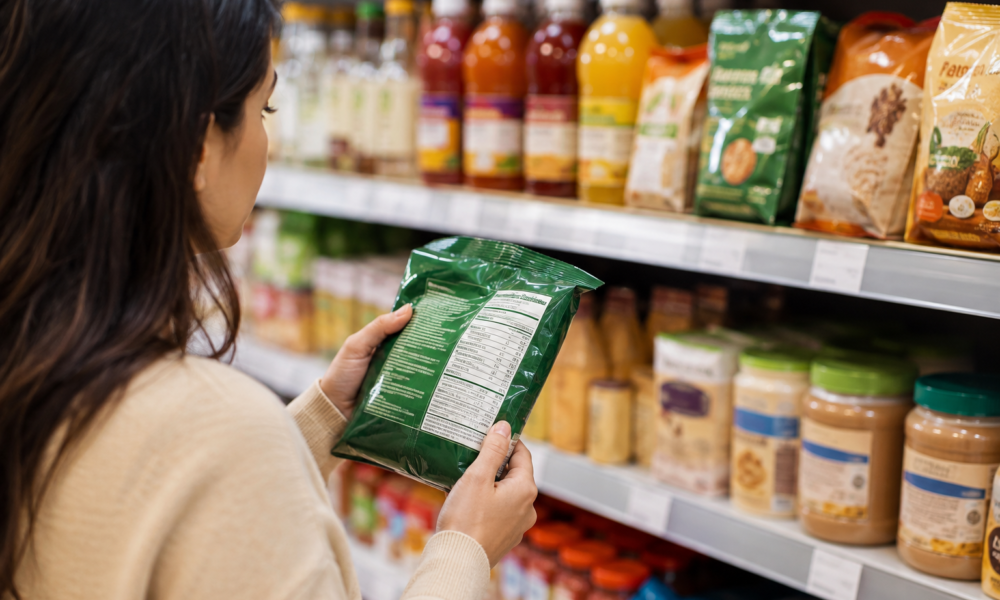
For consumers, the latest scrutiny offers a simple lesson: do not judge a packaged food only by its front label. FSSAI guidance and experts recommend checking the ingredient list and nutrition information before buying. Ingredients are listed in descending order by weight, while the nutrition panel can provide details about sugar, saturated and trans fats, sodium, protein and carbohydrates. Serving size is also important because the stated nutritional values may relate to a portion smaller than what a person actually eats.
The issue is becoming more important as India’s health and wellness food market grows and more shoppers look for products that appear healthier. Clearer claims and stronger enforcement can help consumers make informed decisions, but reading the full label remains one of the simplest ways to avoid being guided by marketing alone.
For everyday shoppers, the message is straightforward: a healthy-sounding word on the front of a packet is not a substitute for checking what is actually inside it.









No Comment! Be the first one.