








Floods Near the Gandak River: Major Health Risks People Face During and After Flooding
Flooding along the Gandak River has created an immediate public-health concern in parts of Bihar, with official flood data showing the river above danger levels at several monitoring locations on...

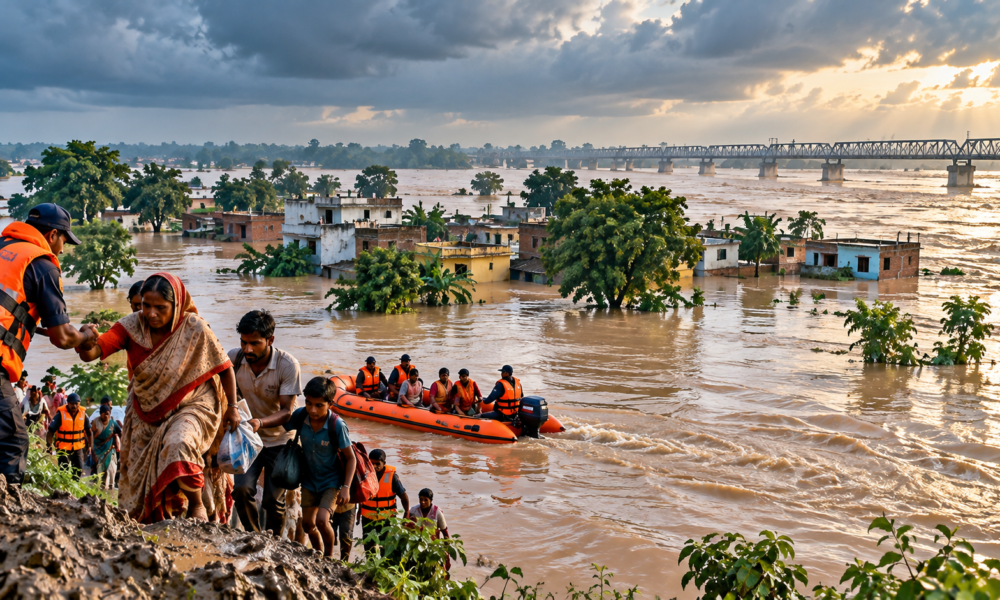
Flooding along the Gandak River has created an immediate public-health concern in parts of Bihar, with official flood data showing the river above danger levels at several monitoring locations on September 28. Bihar’s flood forecasting system recorded the Gandak at Dumariaghat above the danger level and at Lalganj above the danger level, while other stations were also reporting elevated water levels.
Recent reports said heavy rainfall in Nepal’s Gandak catchment contributed to severe flooding, with embankment breaches affecting parts of Bihar and Uttar Pradesh. The Indian Express reported historic water levels at Bagaha and breaches at multiple vulnerable locations between September 28 and 29.
Beyond immediate threats from drowning and injuries, floods can create a second wave of health risks. Contaminated drinking water is one of the biggest concerns. Floodwater can mix with sewage, animal waste, chemicals and other contaminants, increasing the risk of diarrhoeal illnesses and infections.
The World Health Organization says flooding can increase transmission of water- and vector-borne diseases. Contaminated drinking-water sources, stagnant water and poor sanitation can increase risks of illnesses such as cholera, typhoid and other diarrhoeal diseases.
Standing water also creates favourable breeding conditions for mosquitoes. This can increase exposure to mosquito-borne diseases, including dengue and malaria, depending on local transmission patterns. Flood conditions can also increase exposure to rodents and contaminated water, creating a risk of leptospirosis.
People involved in flood cleanup face additional hazards. Cuts or wounds exposed to dirty water can become infected, while hidden debris, electrical equipment and unstable structures can cause injuries.
Safe drinking water is therefore one of the most important post-flood priorities. WHO recommends protecting water sources and boiling or chlorinating water used for drinking and food preparation when contamination is possible.
Residents should avoid walking or driving through fast-moving floodwater. Children should be kept away from flooded areas, even when the water appears shallow. Anyone developing fever, persistent diarrhoea, vomiting, jaundice, severe weakness, breathing difficulty or signs of infection after flood exposure should seek medical care.
The Gandak flooding demonstrates why flood response cannot stop at evacuation and rescue. Public-health surveillance, safe water, sanitation, mosquito control and accessible medical services are equally important during recovery.




No Comment! Be the first one.