






India Crosses 420 Million Chronic Disease Screenings: Why Preventive Healthcare Is Becoming a Bigger Focus
India is expanding its focus from treating disease after it appears to identifying health risks earlier. More than 420 million screenings for hypertension and diabetes have been conducted through...

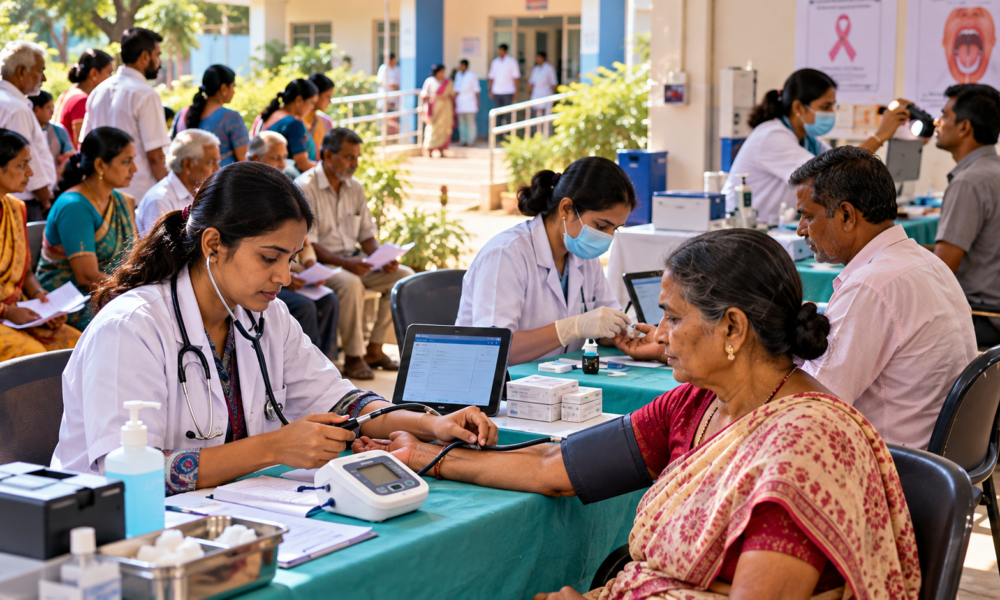
India is expanding its focus from treating disease after it appears to identifying health risks earlier. More than 420 million screenings for hypertension and diabetes have been conducted through Ayushman Arogya Mandirs, according to figures shared by Union Health Minister J.P. Nadda on September 30, 2026.
The screening programme is part of India’s wider effort to strengthen preventive healthcare and detect non-communicable diseases (NCDs) at the primary-care level. The government is conducting population-based screening for people aged 30 and above for hypertension, diabetes and selected cancers.
The scale is significant because NCDs require long-term management rather than one-time treatment. Conditions such as high blood pressure and diabetes can remain undetected for years, while increasing the risk of complications involving the heart, kidneys, eyes and other organs.
The screening programme also extends beyond diabetes and hypertension. Government figures show that more than 360 million oral-cancer screenings, 170 million breast-cancer screenings and 90 million cervical-cancer screenings have been conducted through Ayushman Arogya Mandirs.
Ayushman Arogya Mandirs are designed to strengthen primary healthcare by bringing a broader range of preventive, promotive and basic curative services closer to communities. The government says around 1.86 lakh such centres are currently supporting primary healthcare delivery.
The development is particularly important as India’s healthcare burden increasingly includes chronic diseases alongside infectious diseases. Early identification can allow patients to receive counselling, diagnostic confirmation, medicines and follow-up before complications require more intensive hospital care.
For the healthcare system, this also creates a need for stronger referral networks. Screening alone does not improve outcomes unless people who test positive can access confirmatory diagnosis, treatment and continuing monitoring.
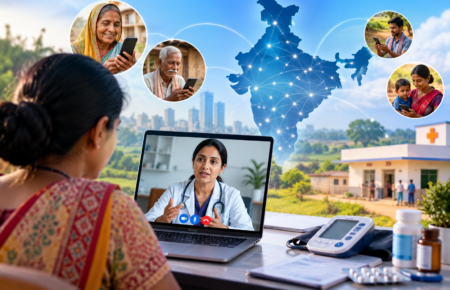
Digital health infrastructure could increasingly support this process. India’s Ayushman Bharat Digital Mission has expanded health records and digital health identifiers, creating the possibility of more connected information between primary-care facilities, hospitals, laboratories and patients.
The challenge now is moving from the number of screenings to the quality and continuity of care that follows them. A person identified with hypertension, for example, needs repeated blood-pressure monitoring and appropriate treatment rather than a single screening event.
The same principle applies to diabetes and cancer screening. Early detection becomes meaningful when patients can move through diagnosis, treatment and follow-up without being lost between different parts of the health system.
India’s large screening numbers therefore represent more than a statistical milestone. They show how primary healthcare is increasingly being positioned as the first line of defence against chronic disease.



No Comment! Be the first one.