






India maps dengue virus strains ahead of first vaccine rollout
India has begun a nationwide mapping of dengue virus strains as part of preparations for the country’s first dengue vaccine rollout, expected as early as next year. The initiative, led by the...


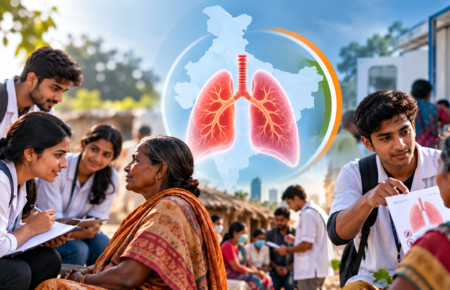
India has begun a nationwide mapping of dengue virus strains as part of preparations for the country’s first dengue vaccine rollout, expected as early as next year. The initiative, led by the Indian Council of Medical Research (ICMR), aims to understand how different dengue virus types are circulating across the country and help shape an effective vaccination strategy.
According to ICMR, all four dengue virus serotypes are currently circulating at the same time in eight states and Union Territories. This is significant because a person infected with one strain may later contract another, increasing the risk of severe dengue, including dengue haemorrhagic fever and dengue shock syndrome. Understanding where each strain is present will help health authorities determine how the vaccine should be introduced across different regions.
Dengue remains one of India’s biggest seasonal public health concerns, particularly during and after the monsoon when mosquito breeding increases. The disease is spread through the bite of infected Aedes mosquitoes, which are commonly found in urban and semi urban areas. Symptoms include high fever, severe headache, muscle and joint pain, nausea and skin rash. While many patients recover with supportive care, severe dengue can become life threatening if not treated promptly.
The nationwide mapping exercise represents an important step towards evidence-based vaccination. Rather than adopting a one-size-fits-all approach, health officials will use scientific data on circulating virus strains to guide vaccine deployment and maximise protection for vulnerable populations.
Public health experts believe the programme could also strengthen disease surveillance. By continuously monitoring virus strains, authorities may be able to identify changes in transmission patterns, detect outbreaks earlier and improve preparedness before the annual dengue season reaches its peak.
The move comes as India continues to invest in preventive healthcare and disease surveillance. Better laboratory monitoring, improved reporting systems and stronger coordination between state and central health agencies are expected to support faster public health responses.
Despite progress towards vaccination, experts stress that mosquito control remains the first line of defence. Eliminating stagnant water around homes, using mosquito repellents, wearing protective clothing and installing window screens continue to play a vital role in reducing infections. Communities are also encouraged to cooperate with local authorities during anti mosquito drives.
For healthcare providers, the upcoming vaccine could become an important addition to existing prevention efforts. However, awareness campaigns will be equally important to educate the public about who should receive the vaccine and why continued mosquito prevention measures remain necessary even after vaccination.
If the rollout proceeds as planned, India will take a major step forward in tackling one of its most common mosquito-borne diseases. Combined with ongoing surveillance and community participation, the vaccine has the potential to reduce severe illness, ease pressure on hospitals during peak seasons and strengthen the country’s public health preparedness.





No Comment! Be the first one.