







India’s health spending gap highlights strain on access and equity
India’s healthcare system continues to grapple with a structural imbalance, as the country carries a disproportionate share of the global disease burden while accounting for a relatively small...

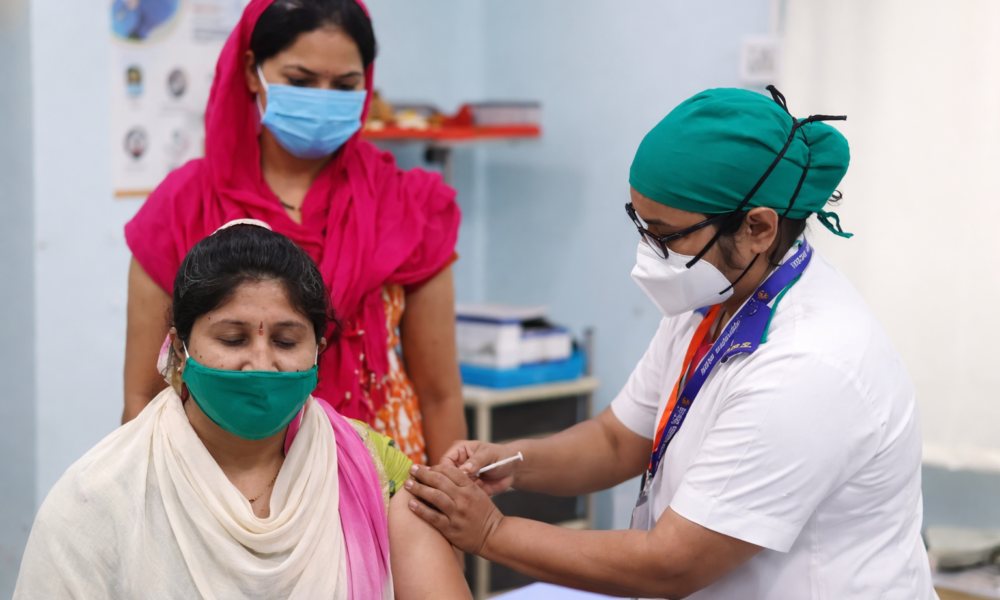
India’s healthcare system continues to grapple with a structural imbalance, as the country carries a disproportionate share of the global disease burden while accounting for a relatively small fraction of total health spending. This mismatch is increasingly being seen as a key factor shaping access, affordability, and outcomes.
A large part of the strain falls on households. Out-of-pocket expenditure remains high, often pushing families into financial distress during medical emergencies. The absence of adequate financial protection for a sizeable “missing middle” has left many navigating care without insurance or state support.
Public health experts argue that while government schemes have expanded coverage at the lower end, a broad segment of the population remains inadequately served. This has implications not only for individual access but also for the overall efficiency of the health system.
There is a growing consensus that addressing this gap will require sustained increases in public spending, alongside reforms that strengthen primary care and risk pooling mechanisms. Without such measures, the imbalance between disease burden and investment is likely to persist, with consequences for both equity and long-term health outcomes.






No Comment! Be the first one.