






Kerala Strengthens Containment Measures Following Confirmed Nipah Virus Case
Health authorities in Kerala have intensified surveillance, contact tracing and containment measures after the confirmation of a Nipah virus case in the state. The development has prompted healthcare...


Health authorities in Kerala have intensified surveillance, contact tracing and containment measures after the confirmation of a Nipah virus case in the state. The development has prompted healthcare departments to activate emergency response protocols and increase monitoring efforts across affected regions to prevent further transmission.
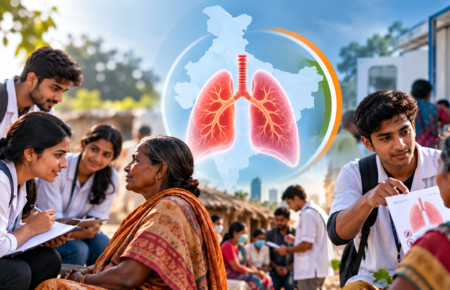
According to health officials, teams have been deployed to identify and monitor individuals who may have come into contact with the infected patient. Hospitals have been directed to maintain isolation facilities, strengthen infection-control measures and remain prepared for any suspected cases that may emerge during ongoing surveillance activities.
Nipah virus is considered one of the most serious zoonotic diseases due to its high mortality rate and potential for human-to-human transmission. The virus can spread through direct contact with infected animals, contaminated food products or bodily fluids of infected individuals. Public health experts emphasize that early detection and rapid response are critical for limiting outbreaks.
Kerala has developed extensive experience in managing Nipah-related health emergencies through previous outbreaks. Healthcare professionals note that the state’s established surveillance systems, trained response teams and coordinated public health infrastructure have played a significant role in past containment efforts.
Authorities have advised residents to remain vigilant and follow official health advisories. Citizens are being encouraged to seek medical attention promptly if they experience symptoms such as fever, headache, respiratory distress or neurological complications. Public awareness campaigns are also being expanded to ensure communities remain informed about preventive measures.
Healthcare institutions have increased monitoring capacities and strengthened coordination with public health agencies. Laboratories and surveillance teams continue to analyze data and track potential exposure networks as part of broader containment efforts.
Experts highlight the importance of community participation in disease prevention. Cooperation with contact tracing teams, adherence to health guidelines and timely reporting of symptoms can significantly improve the effectiveness of public health interventions.
The situation has also reinforced the importance of disease surveillance systems and emergency preparedness within healthcare networks. Investments in outbreak response capabilities, diagnostic infrastructure and public health communication have become increasingly important in managing emerging infectious diseases.
While authorities continue to monitor developments closely, healthcare officials emphasize that preventive measures and rapid response remain the most effective tools for controlling transmission. Ongoing surveillance activities are expected to provide further insights into the scope of the situation.
The latest response underscores the critical role of preparedness, coordinated healthcare action and public awareness in protecting communities from infectious disease threats and maintaining public health security.





No Comment! Be the first one.