


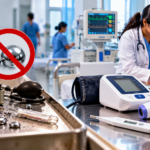

India Strengthens Disease Surveillance as Post-Monsoon Risks Continue
India is entering an important phase for infectious-disease surveillance as the monsoon season gives way to the post-monsoon period. The Union Health Ministry has strengthened surveillance and...


India is entering an important phase for infectious-disease surveillance as the monsoon season gives way to the post-monsoon period.
The Union Health Ministry has strengthened surveillance and response systems for diseases including dengue, malaria, diarrhoea and leptospirosis, with 887 sentinel surveillance hospitals and 27 apex referral laboratories supporting the national system.
The health ministry has also highlighted real-time monitoring through the Integrated Health Information Platform, along with supplies of medicines, diagnostics and technical guidance to states and Union territories.
The timing matters because monsoon conditions can create an environment favourable to mosquito-borne and water-related infections. Standing water can support mosquito breeding, while flooding and contamination can increase exposure to certain water-borne diseases.
The health system therefore has to manage two challenges at the same time: treating patients who become sick and identifying disease patterns early enough to prevent wider transmission.
Disease surveillance is central to that process.
Sentinel hospitals and laboratories provide points where suspected cases can be detected, tested and reported. When this information is connected through digital surveillance systems, health authorities can monitor changes and identify areas requiring additional interventions.
The government has outlined an integrated vector-management approach involving source reduction, anti-larval measures, indoor residual spraying and bed nets, alongside community awareness campaigns.
For dengue and malaria, mosquito control remains particularly important. Removing standing water around homes, workplaces and public areas can reduce breeding opportunities, while public-health teams can conduct targeted interventions in higher-risk areas.
Leptospirosis presents a different challenge because exposure can occur through water or soil contaminated with infected animal urine, particularly during flooding.
Healthcare infrastructure also matters during seasonal disease surges. Primary-care centres need diagnostic capacity, hospitals need adequate beds and staff, and laboratories need the ability to process tests quickly.
India’s disease-surveillance architecture has been expanding through a combination of laboratories, hospitals, digital reporting and field-level public-health teams.
Recent surveillance data also shows that dengue remains an important monitored disease in India during 2026, although reported figures vary by reporting period and surveillance source.
The key lesson is that seasonal disease management is not only a medical problem.
It is also an infrastructure problem involving laboratories, hospitals, data systems, municipal services, water management, sanitation and community health workers.
As India moves through the post-monsoon period, the effectiveness of these connected systems will influence how quickly outbreaks can be identified and controlled.


No Comment! Be the first one.