








Power Cut? How Long Food Stays Cold in the Fridge and Freezer
When the power goes out, keeping the refrigerator and freezer doors closed buys time. According to the US Centers for Disease Control and Prevention, an unopened refrigerator generally keeps food...

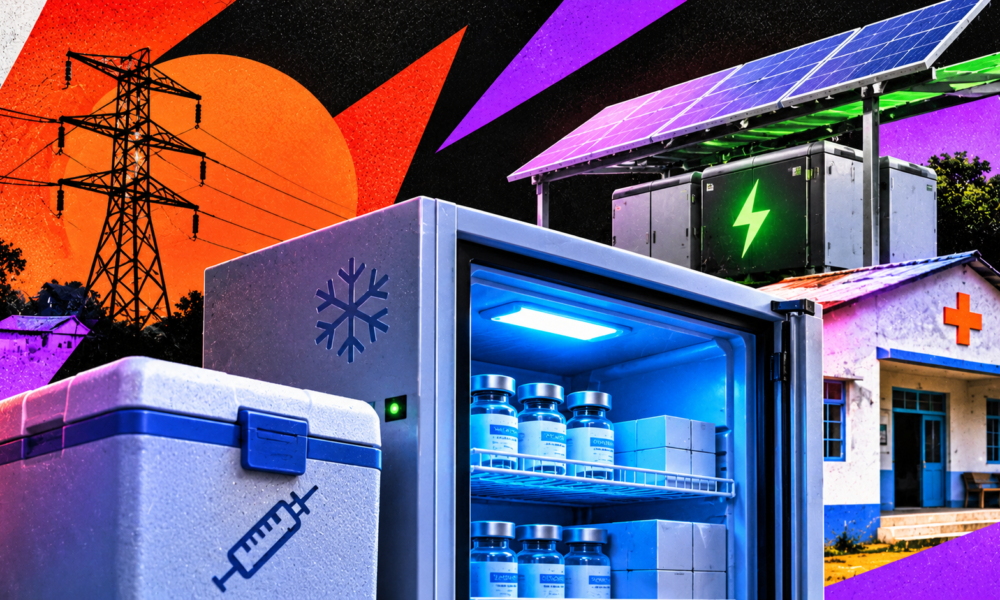
When the power goes out, keeping the refrigerator and freezer doors closed buys time. According to the US Centers for Disease Control and Prevention, an unopened refrigerator generally keeps food cold for up to four hours. A full freezer holds its temperature for about 48 hours, while a half-full freezer lasts about 24 hours. The difference matters when deciding whether to keep milk, leftovers, meat, or other foods that normally need refrigeration once electricity returns.
Start the clock and keep the doors shut
Note when the lights went out if you know the time. Avoid opening the fridge repeatedly to see whether the food still feels cold. Each opening lets warm air in, and touching a container gives little information about the temperature at which the food has been held. A thermometer in the fridge or freezer is a better way to judge conditions. If outages are common in your area, having a thermometer in place before the next one makes the decision easier.
If an outage looks likely to last, a cooler with enough ice or frozen packs can provide another place to keep perishable food cold. Group the foods you need to save so the refrigerator door can be opened once for the transfer. The advises keeping food at 4°C or below. Ice packs help only while they can maintain that temperature. A cooler sitting in a warm room still needs to be checked.
Check milk and cooked food first
After four hours without power or another cold source, the advises discarding refrigerated perishables such as milk, eggs, meat, fish, and leftovers. In an Indian kitchen, cooked rice, leftover dal, and prepared dishes stored in the refrigerator deserve the same attention as the milk packet. They may look unchanged when the lights come back. Appearance, smell, and taste cannot establish that a food is safe, so tasting a spoonful is a poor way to decide what to keep.
Some items can be assessed separately. A sealed product that the label says can be stored at room temperature has different storage requirements from an opened carton that needs refrigeration. Check the package instructions and whether the container has already been opened. That detail can matter more than where somebody happened to put the product before the outage.
Freezer food follows a different rule
Frozen food that still contains ice crystals or measures 4°C or below can generally be refrozen or cooked under guidance. The 48-hour and 24-hour freezer estimates assume the door remains closed. A freezer that was opened repeatedly, or one that was holding very little food, may warm faster. Inspect individual packages after the power returns, especially if items near the door have softened while those at the back remain frozen.
The simplest household routine is to know when the outage began, keep the doors shut, and check temperatures before returning food to normal use. The same rule applies when the outage happens overnight and the start time is uncertain. If you cannot establish that a perishable food stayed cold, discard it. A written time and a thermometer reading give the next person opening the fridge something more reliable than a guess.




No Comment! Be the first one.