







Rising organ donations highlight progress, but gaps in advanced care persist
Tamil Nadu’s continued leadership in organ donation, with 88 donations recorded so far this year, reflects the steady gains made through sustained public awareness and institutional coordination. The...

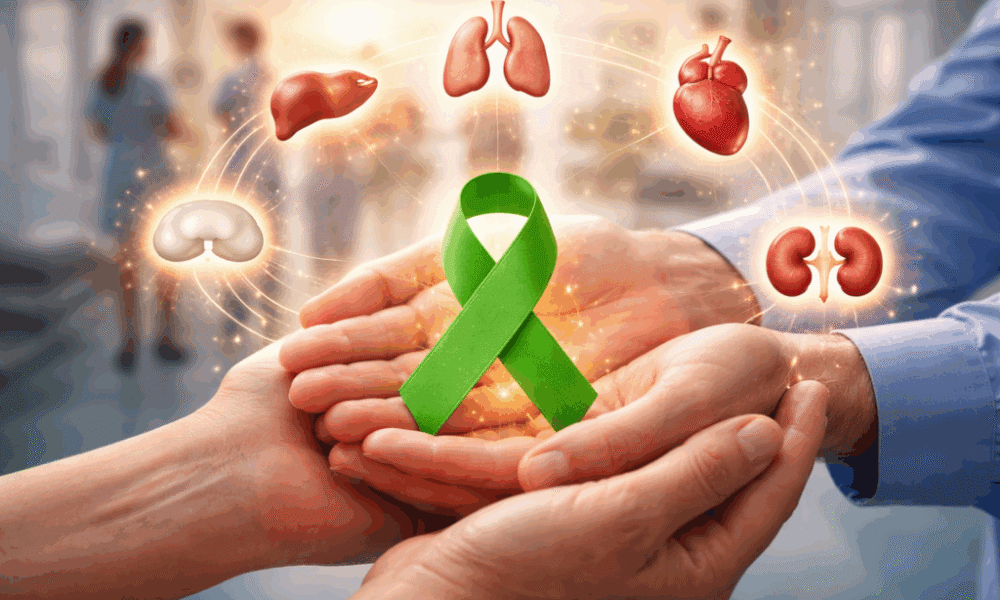
Tamil Nadu’s continued leadership in organ donation, with 88 donations recorded so far this year, reflects the steady gains made through sustained public awareness and institutional coordination. The state has long been at the forefront of deceased donor programmes, and the recent figures suggest that the system, while not without strain, remains responsive.
Much of this progress rests on a combination of factors. Government hospitals have played a central role in identifying potential donors, while structured protocols have helped streamline the process from consent to transplantation. A significant proportion of donations has come from victims of road accidents, underscoring both the tragic context and the importance of timely medical intervention in enabling organ retrieval.
Yet, beneath these encouraging numbers lies a more uneven reality. While kidneys and livers account for the bulk of transplants, procedures involving the heart and lungs remain limited. These require not only specialised surgical expertise but also advanced post-operative care and infrastructure that is available only in a handful of centres. The cost associated with such transplants further narrows access, placing them beyond the reach of many patients.
The disparity points to a deeper challenge within the healthcare system. Expanding organ donation is only one part of the equation. Ensuring that the full spectrum of transplant services is accessible and affordable is equally critical. Without this, the benefits of increased donations risk being unevenly distributed.
There is also a need to strengthen coordination between states, particularly in the sharing and allocation of organs, to reduce waiting times and improve utilisation. Investments in critical care infrastructure, training of specialised personnel, and financial support mechanisms for patients will be essential in addressing current gaps.
Tamil Nadu’s experience demonstrates that policy focus and administrative will can build a robust organ donation ecosystem. The next phase must ensure that this progress translates into comprehensive transplant care, where the availability of organs is matched by the capacity to use them effectively.





No Comment! Be the first one.