







Uterus Health: Symptoms Women Should Not Ignore and Common Conditions Explained
The uterus is a central part of the female reproductive system, but symptoms involving menstrual bleeding, pelvic pain or pressure are sometimes dismissed as routine period problems. Persistent or...

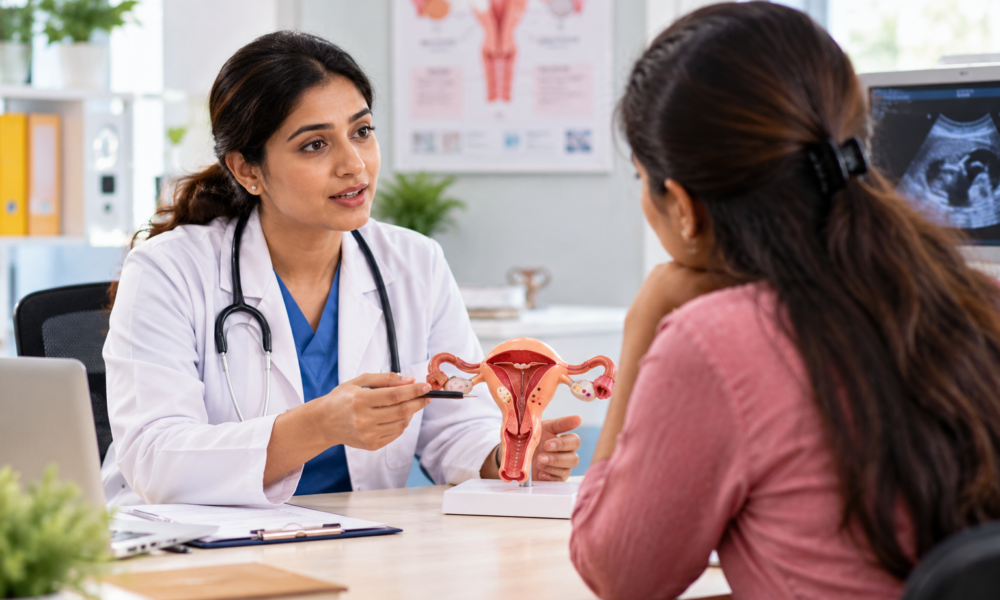
The uterus is a central part of the female reproductive system, but symptoms involving menstrual bleeding, pelvic pain or pressure are sometimes dismissed as routine period problems. Persistent or severe symptoms can, however, be associated with conditions such as uterine fibroids, endometriosis and other menstrual or reproductive health disorders.
One of the most common conditions affecting the uterus is fibroids. The American College of Obstetricians and Gynecologists describes uterine fibroids as benign growths that develop from the muscle tissue of the uterus. They are not cancerous.
Fibroids can vary considerably in size and location. Some women have no symptoms, while others experience heavy or prolonged menstrual bleeding, menstrual pain, pelvic pressure, frequent urination, constipation, abdominal enlargement or pain during sex. Heavy bleeding can also contribute to anaemia.
Endometriosis is another important condition associated with pelvic and menstrual symptoms. The World Health Organization estimates that endometriosis affects about 10% of women of reproductive age globally. Symptoms can include severe menstrual pain, heavy menstrual bleeding, chronic pelvic pain, abdominal bloating, nausea and difficulties with fertility.
Endometriosis occurs when tissue resembling the lining of the uterus grows outside the uterus. The condition can affect the pelvis and, in some cases, other parts of the body. WHO notes that diagnosis can be delayed and that treatment focuses on controlling symptoms and reducing long-term effects.
Not every painful period indicates a serious medical condition. Menstrual cramps and other symptoms can occur as part of a normal cycle. However, unusually heavy, unpredictable or very painful periods that interfere with daily activities may warrant medical evaluation. WHO identifies conditions including endometriosis, adenomyosis and fibroids among possible causes of problematic menstrual symptoms.
Heavy bleeding is another symptom that should not simply be ignored. ACOG notes that bleeding requiring a pad or tampon change more than once every one to two hours, periods lasting more than seven days, or symptoms such as dizziness or faintness can indicate abnormal heavy bleeding and should be discussed with a healthcare professional.
Diagnosis depends on the symptoms and suspected condition. Doctors may take a detailed menstrual and medical history and may perform a pelvic examination, blood tests or imaging such as ultrasound. In some cases, additional investigations may be necessary.
Treatment is not the same for everyone. For fibroids, options can include medication, procedures or surgery depending on symptoms, size and location, while endometriosis treatment can include pain medicines, hormonal treatment and, for some patients, surgery. Treatment decisions also depend on factors such as fertility plans and individual preferences.
Women should seek medical attention for persistent pelvic pain, very heavy bleeding, bleeding between periods, unexplained fatigue or symptoms that interfere with everyday life. Severe bleeding or sudden severe pelvic pain requires prompt medical attention.
The important message is that severe menstrual or pelvic symptoms should not automatically be dismissed as something women simply have to tolerate. Keeping track of cycle timing, bleeding patterns and pain can help provide useful information during a medical consultation.
This article is for general education and does not replace individual medical advice or diagnosis.







No Comment! Be the first one.