







India Expands Organ Donation Awareness Efforts as Demand for Transplants Continues to Rise
India’s healthcare sector is intensifying efforts to promote organ donation awareness as the demand for life-saving transplants continues to outpace the availability of donated organs. Health...

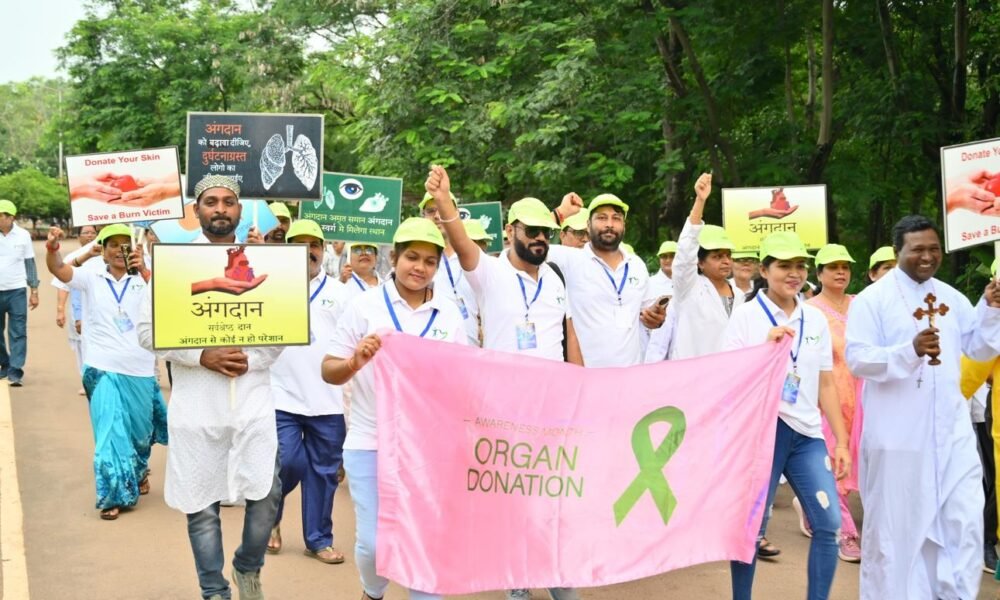
India’s healthcare sector is intensifying efforts to promote organ donation awareness as the demand for life-saving transplants continues to outpace the availability of donated organs. Health authorities, hospitals and non-profit organizations are working to encourage greater public participation in organ donation programs while improving transplant infrastructure across the country.
Medical experts estimate that thousands of patients remain on waiting lists for kidney, liver, heart and lung transplants every year. While advancements in transplant medicine have significantly improved patient outcomes, the shortage of donor organs remains one of the biggest challenges facing the healthcare system.
Healthcare professionals emphasize that organ donation can save multiple lives and improve the quality of life for patients suffering from end-stage organ failure. However, awareness levels regarding donation procedures, eligibility criteria and legal frameworks continue to vary across different regions.
Several hospitals and healthcare institutions have recently expanded awareness campaigns aimed at educating the public about the importance of organ donation. Community outreach programs, educational seminars and digital awareness initiatives are being used to address misconceptions and encourage informed decision-making.
The National Organ and Tissue Transplant Organization (NOTTO) continues to play a central role in coordinating organ donation and transplantation activities across the country. Experts believe that strengthening donor registries, improving hospital coordination and increasing public awareness could help reduce transplant waiting times in the future.
Technology is also helping improve the efficiency of transplant systems. Digital registries and centralized coordination platforms enable faster matching of donors and recipients while improving transparency within the organ allocation process.
Healthcare leaders note that successful organ donation programs require collaboration among hospitals, government agencies, medical professionals and communities. Public trust and awareness remain critical factors in increasing participation and improving outcomes for patients awaiting transplants.
The growing focus on organ donation reflects broader efforts to strengthen specialized healthcare services and improve access to advanced medical treatments. Investments in transplant infrastructure, training and public engagement are expected to support future growth within this important area of healthcare.
Experts believe that continued awareness campaigns and policy support can help bridge the gap between demand and availability, ultimately saving more lives through increased organ donation participation.
As healthcare systems continue to evolve, organ donation remains one of the most impactful ways individuals can contribute to public health and support patients in need of life-saving treatment.








No Comment! Be the first one.