






India Strengthens Heatwave Health Response as Extreme Temperatures Impact Public Health
Health authorities across India are intensifying preparedness measures as several regions continue to experience high temperatures and heatwave-like conditions. Hospitals, emergency response teams...


Health authorities across India are intensifying preparedness measures as several regions continue to experience high temperatures and heatwave-like conditions. Hospitals, emergency response teams and public health departments have been directed to remain vigilant as extreme heat increases the risk of dehydration, heat exhaustion and other temperature-related illnesses.
Medical experts warn that prolonged exposure to high temperatures can have serious health consequences, particularly for children, senior citizens, outdoor workers and individuals with pre-existing medical conditions. Healthcare facilities in several cities have reported a rise in patients seeking treatment for heat-related symptoms including dizziness, fatigue, dehydration and heat stress.
The Ministry of Health and Family Welfare, along with state health departments, has emphasized preventive measures to reduce health risks during periods of extreme heat. Public advisories encourage citizens to remain hydrated, avoid direct sun exposure during peak afternoon hours and seek immediate medical attention if symptoms of heat-related illness appear.
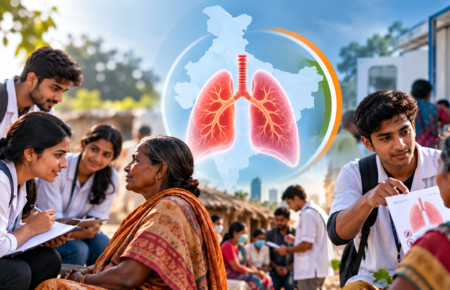
Hospitals have strengthened emergency preparedness by ensuring the availability of essential medicines, cooling facilities and emergency response teams. Healthcare professionals are also conducting awareness campaigns aimed at educating the public about heat-related health risks and preventive practices.
Public health experts note that climate-related health challenges are becoming increasingly important within healthcare planning. Rising temperatures and extreme weather events can place additional pressure on healthcare systems while increasing the likelihood of seasonal health emergencies. As a result, authorities are expanding preparedness strategies and surveillance mechanisms.
Technology is also supporting response efforts. Weather monitoring systems, public alert mechanisms and digital communication platforms are helping authorities disseminate health advisories more effectively. Timely information enables communities to take preventive action before health conditions worsen.
Special attention is being given to vulnerable populations, including construction workers, delivery personnel and individuals living in areas with limited access to cooling infrastructure. Employers and local administrations are being encouraged to implement protective measures such as shaded rest areas and access to drinking water.
Healthcare organizations stress that prevention remains the most effective defense against heat-related illnesses. Maintaining hydration, wearing lightweight clothing and limiting outdoor activity during peak temperatures can significantly reduce health risks.
Experts believe that strengthening public awareness and healthcare preparedness will be essential as climate-related health challenges become more frequent. Investments in emergency response systems, community outreach and health infrastructure are expected to play a growing role in protecting public health.
As India continues to navigate periods of extreme weather, coordinated action between health authorities, healthcare institutions and local communities will remain critical in minimizing the impact of heat-related illnesses and safeguarding public well-being.








No Comment! Be the first one.