






Telemedicine Adoption Continues to Expand as Digital Healthcare Gains Ground Across India
India’s healthcare sector is witnessing a steady rise in telemedicine adoption as patients, hospitals and healthcare providers increasingly embrace digital consultation services. The expansion...


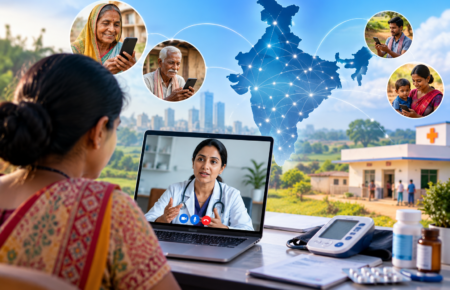
India’s healthcare sector is witnessing a steady rise in telemedicine adoption as patients, hospitals and healthcare providers increasingly embrace digital consultation services. The expansion of telemedicine is helping improve healthcare accessibility, particularly for individuals living in remote and underserved regions where access to specialized medical services can be limited.
Over the past few years, digital healthcare platforms have transformed the way patients interact with healthcare professionals. Virtual consultations, online follow-ups and remote health monitoring have become increasingly common, allowing patients to seek medical guidance without the need for physical visits in many cases.
Healthcare experts believe telemedicine has become an important tool for reducing geographical barriers to healthcare access. Patients can connect with specialists located in major cities while remaining in their home regions, saving both time and travel expenses. This has proven especially beneficial for routine consultations, chronic disease management and follow-up care.
The growing acceptance of digital healthcare is also encouraging hospitals to invest in telemedicine infrastructure. Many healthcare institutions are expanding online consultation services, integrating digital health records and adopting remote patient monitoring systems to enhance patient care and operational efficiency.
Technology advancements are supporting this growth. Improved internet connectivity, smartphone penetration and digital health applications have made virtual healthcare services more accessible to a broader population. Artificial Intelligence and digital diagnostic tools are further enhancing the effectiveness of remote healthcare delivery.
Public health experts note that telemedicine can help strengthen healthcare systems by reducing pressure on physical healthcare facilities and improving resource allocation. By enabling healthcare providers to manage certain consultations remotely, hospitals can focus more effectively on critical and emergency cases.
The expansion of telemedicine is also contributing to greater healthcare awareness. Patients are increasingly seeking preventive consultations, wellness guidance and specialist opinions through digital platforms, reflecting changing healthcare behaviors and growing trust in technology-enabled care.
Despite the progress, experts emphasize the need to address challenges related to digital literacy, connectivity gaps and data security. Ensuring that telemedicine services remain accessible, affordable and secure will be important for sustaining long-term growth.
Government initiatives supporting digital health infrastructure continue to provide momentum to the sector. Programs aimed at strengthening digital healthcare systems and improving healthcare accessibility are expected to encourage further adoption of telemedicine across the country.
As healthcare delivery continues to evolve, telemedicine is emerging as a key component of India’s healthcare ecosystem. The growing integration of technology into patient care is helping create a more connected, efficient and accessible healthcare system capable of meeting the needs of a diverse population.







No Comment! Be the first one.