





Hospitals Strengthen Emergency Preparedness as Monsoon Season Raises Public Health Concerns
Hospitals and healthcare authorities across several states are enhancing emergency preparedness measures as the monsoon season brings an increased risk of waterborne diseases, vector-borne infections...

Hospitals and healthcare authorities across several states are enhancing emergency preparedness measures as the monsoon season brings an increased risk of waterborne diseases, vector-borne infections and weather-related health emergencies. Public health experts believe proactive planning and early intervention will be critical in minimizing health risks during the coming months.
Healthcare facilities are reviewing emergency response protocols, increasing the availability of essential medicines and strengthening disease surveillance systems to manage potential seasonal outbreaks. Hospitals are also coordinating with local health departments to ensure rapid response capabilities in the event of a public health emergency.
The monsoon season is often associated with a rise in diseases such as dengue, malaria, chikungunya, typhoid and acute gastroenteritis. Stagnant water, flooding and contamination of drinking water sources can create conditions that facilitate disease transmission. As a result, health authorities are focusing heavily on preventive measures and public awareness campaigns.
Several state governments have instructed local health officials to intensify vector-control activities, including fogging operations, mosquito breeding site inspections and sanitation drives. Public awareness initiatives are also being conducted to educate communities about preventive practices such as maintaining cleanliness, eliminating stagnant water and consuming safe drinking water.
Medical professionals emphasize that early detection plays a crucial role in reducing the severity of seasonal disease outbreaks. Citizens experiencing symptoms such as persistent fever, severe dehydration, vomiting or respiratory distress are being advised to seek medical attention promptly.
Healthcare infrastructure preparedness extends beyond disease management. Hospitals are also reviewing contingency plans for handling weather-related emergencies, including disruptions caused by flooding, transportation challenges and increased patient volumes. Emergency response teams are being trained to ensure continuity of healthcare services during adverse conditions.
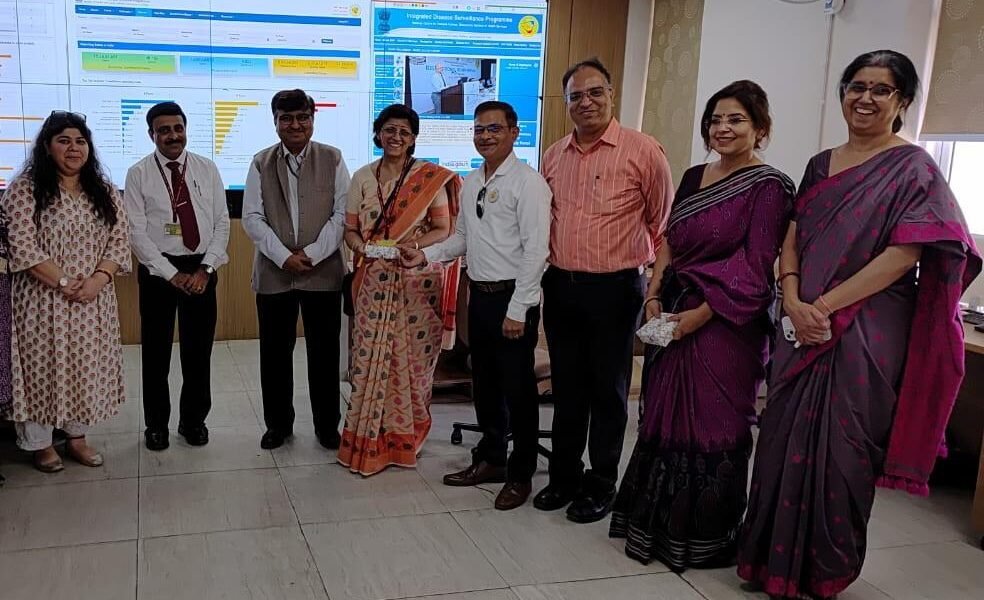
Technology is supporting preparedness efforts through digital disease monitoring systems and real-time reporting mechanisms. These tools allow health authorities to identify emerging trends, allocate resources efficiently and respond quickly to potential outbreaks.
Public health experts note that community participation remains essential for effective disease prevention. Individual actions such as maintaining hygiene, following public health advisories and reporting health concerns promptly can significantly reduce transmission risks.
The annual monsoon season presents recurring challenges for healthcare systems, but improvements in surveillance, emergency planning and public awareness have strengthened preparedness in many regions. Continued coordination between hospitals, government agencies and communities will be important in protecting public health.
As weather conditions evolve over the coming weeks, healthcare authorities are expected to remain on high alert, focusing on prevention, preparedness and rapid response to ensure the health and safety of communities across the country.







No Comment! Be the first one.