





Kerala on High Alert After Suspected Nipah Virus Case Triggers Health Surveillance Measures
Kerala’s health authorities have intensified surveillance and precautionary measures following a suspected Nipah virus case reported in Kozhikode district. The development has prompted the...

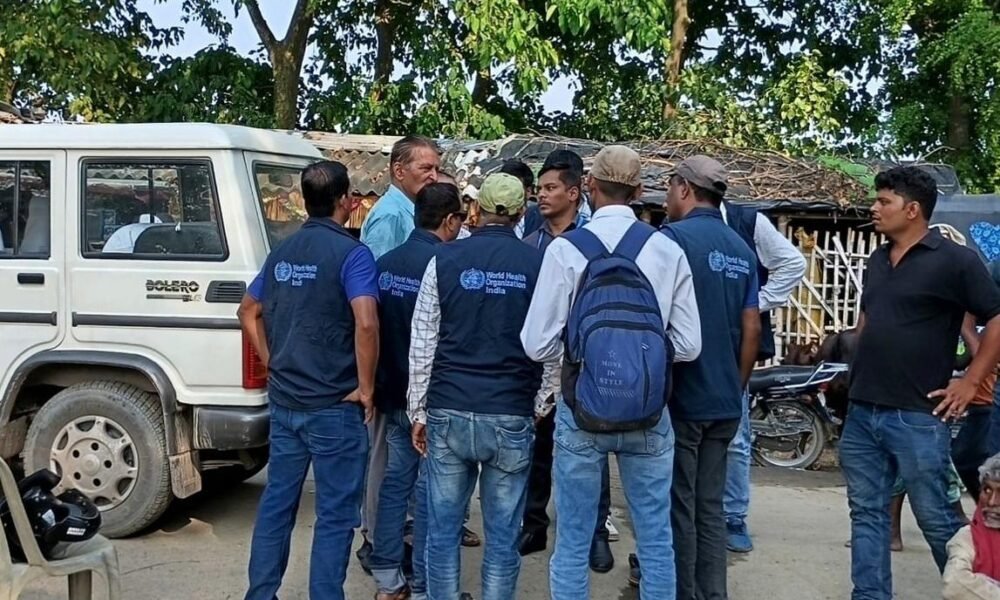
Kerala’s health authorities have intensified surveillance and precautionary measures following a suspected Nipah virus case reported in Kozhikode district. The development has prompted the state government to activate emergency response protocols, strengthen contact tracing efforts and increase monitoring across healthcare facilities as officials work to prevent any potential outbreak.
According to state health officials, preliminary tests indicated the possible presence of the Nipah virus, although final confirmation from specialized laboratories is awaited. As a precautionary measure, health teams have begun identifying and monitoring individuals who may have come into contact with the patient while hospitals have been directed to remain vigilant.
Nipah virus is considered one of the most serious zoonotic diseases due to its high fatality rate and potential for human-to-human transmission. The virus can spread through contact with infected animals, contaminated food sources or bodily fluids of infected individuals. Symptoms may initially include fever, headache, muscle pain and respiratory complications before progressing to more severe neurological conditions in some cases.
Kerala has previously dealt with multiple Nipah outbreaks and is regarded as one of the most experienced states in managing the disease. Public health experts note that early detection, rapid isolation and extensive contact tracing have been critical factors in containing earlier outbreaks. The state’s healthcare system has therefore moved quickly to strengthen surveillance and preparedness measures.
Health authorities have advised residents to remain calm while following official advisories. Citizens have been encouraged to report symptoms promptly, avoid unnecessary exposure to potentially contaminated food sources and cooperate with health officials if contacted during tracing operations. Public awareness campaigns are also being expanded to ensure communities remain informed about preventive measures.
The alert comes at a time when states across India are increasing focus on infectious disease preparedness and surveillance systems. Experts emphasize that robust monitoring networks, laboratory capacity and coordinated healthcare responses are essential for managing emerging public health threats effectively.
While there is currently no approved vaccine or specific treatment for Nipah virus infection, supportive medical care and rapid intervention remain the most effective strategies for improving patient outcomes. Public health officials continue to monitor the situation closely while awaiting definitive laboratory confirmation.
The latest developments highlight the importance of preparedness, early warning systems and coordinated public health responses in addressing infectious disease risks. As investigations continue, healthcare authorities remain focused on preventing transmission and ensuring public safety through proactive surveillance measures.






No Comment! Be the first one.