






Rising Cases of Lifestyle Diseases Prompt Health Experts to Call for Stronger Preventive Care
Healthcare professionals across India are raising concerns over the growing prevalence of lifestyle-related diseases, as conditions such as diabetes, hypertension, obesity and cardiovascular...


Healthcare professionals across India are raising concerns over the growing prevalence of lifestyle-related diseases, as conditions such as diabetes, hypertension, obesity and cardiovascular disorders continue to affect a larger segment of the population. Experts believe the trend highlights the urgent need for stronger preventive healthcare measures and greater public awareness about healthy living.
According to medical professionals, changing lifestyles, sedentary work patterns, unhealthy dietary habits and increased stress levels have significantly contributed to the rise in non-communicable diseases (NCDs). Unlike infectious diseases, lifestyle disorders often develop gradually and may remain undetected for years before serious complications emerge.
Doctors note that many patients are being diagnosed at advanced stages due to a lack of routine health screenings and delayed medical consultations. As a result, healthcare institutions are increasingly encouraging individuals to undergo regular check-ups and adopt preventive health practices that can help identify risks at an early stage.
The burden of lifestyle diseases is also placing additional pressure on healthcare systems. Long-term treatment requirements, medication costs and management of associated complications can create significant challenges for both patients and healthcare providers. Experts argue that prevention remains one of the most effective strategies for reducing the impact of these conditions.
Physical activity is being emphasized as a key component of preventive healthcare. Health professionals recommend regular exercise, balanced nutrition and adequate sleep as essential measures for maintaining overall well-being. Public health campaigns promoting healthier lifestyles are also gaining momentum in several regions.
Technology is playing a growing role in preventive health management. Wearable fitness devices, health monitoring applications and digital wellness platforms are helping individuals track key health indicators such as physical activity, heart rate and sleep patterns. These tools enable users to make more informed decisions about their health and lifestyle choices.
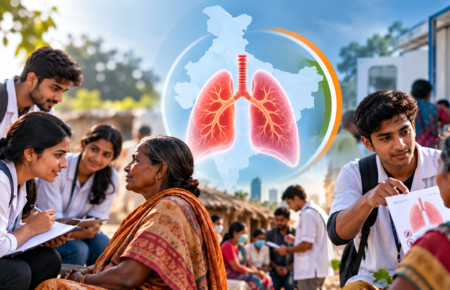
Healthcare organizations are also expanding wellness programs aimed at encouraging long-term behavioral changes. Corporate health initiatives, community outreach programs and preventive screening camps are becoming increasingly common as stakeholders seek to address rising health risks.
Public health experts stress that awareness remains a critical factor. Many lifestyle diseases can be prevented or managed effectively through early intervention, healthy habits and timely medical guidance. Increased education and accessibility to preventive services are therefore considered essential for improving long-term health outcomes.
As India continues to experience demographic and lifestyle shifts, preventive healthcare is expected to become an even more important component of the healthcare ecosystem. Experts believe that encouraging healthier living today can help reduce disease burdens and improve quality of life for millions in the future.
The growing focus on preventive care reflects a broader shift within healthcare, where maintaining health is increasingly being prioritized alongside treating illness.








No Comment! Be the first one.