






Rising Air Pollution Levels Continue to Pose Public Health Challenge in Urban India
Air pollution remains one of the most significant public health concerns across India’s urban centers, with healthcare experts warning about its growing impact on respiratory and cardiovascular...

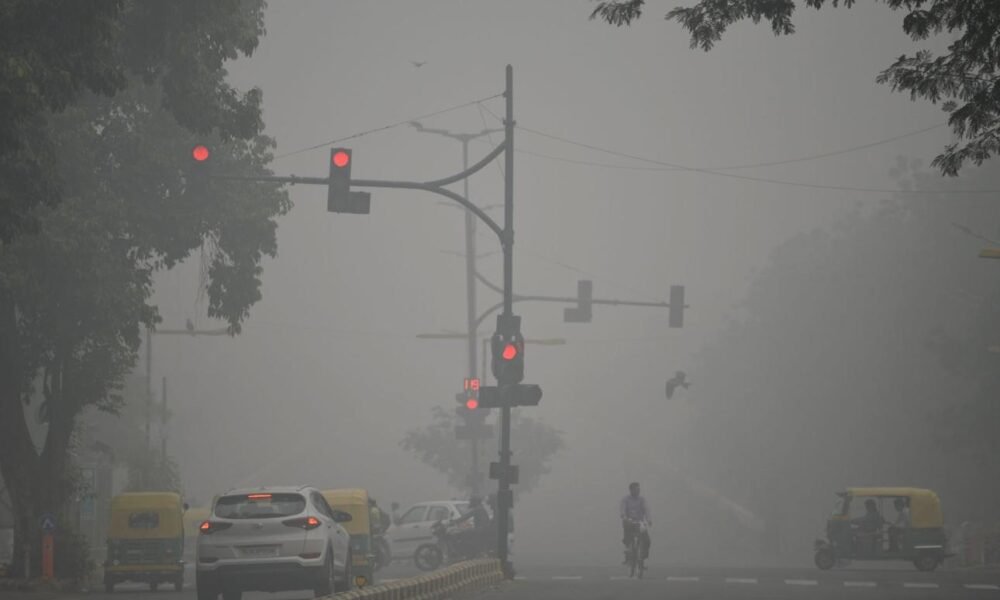
Air pollution remains one of the most significant public health concerns across India’s urban centers, with healthcare experts warning about its growing impact on respiratory and cardiovascular health. As cities continue to experience rising vehicle density, construction activity and industrial emissions, public health authorities are placing greater emphasis on awareness, monitoring and preventive measures.
Medical professionals report that poor air quality is increasingly linked to respiratory illnesses such as asthma, bronchitis and chronic obstructive pulmonary disease (COPD). Exposure to polluted air can also contribute to heart disease, stroke and other long-term health complications, particularly among vulnerable groups including children, senior citizens and individuals with pre-existing medical conditions.
Healthcare institutions in several metropolitan regions have observed seasonal increases in respiratory complaints during periods of deteriorating air quality. Doctors note that prolonged exposure to pollutants can aggravate existing health conditions and increase the likelihood of hospital visits, especially among patients with respiratory disorders.
Public health experts emphasize that air pollution is not solely an environmental issue but a major healthcare challenge. The long-term burden of pollution-related diseases places significant pressure on healthcare systems while affecting productivity and quality of life. As a result, health authorities are increasingly integrating environmental health considerations into public health planning.
Several state governments have expanded air quality monitoring networks and introduced initiatives aimed at reducing pollution sources. Measures such as stricter emission standards, promotion of cleaner transportation and monitoring of construction-related dust are part of broader efforts to improve urban air quality.
Healthcare professionals advise residents to remain informed about local air quality conditions and take appropriate precautions when pollution levels rise. Limiting outdoor activity during high-pollution periods, using protective masks where necessary and maintaining indoor air quality are among the commonly recommended measures.
Research continues to highlight the importance of early intervention and preventive healthcare in addressing pollution-related health risks. Public awareness campaigns are helping educate citizens about the connection between environmental conditions and long-term health outcomes.
Experts believe that sustained improvements will require coordinated action involving governments, industries, urban planners and communities. Investments in cleaner technologies, sustainable transportation systems and environmental monitoring are expected to play a crucial role in reducing pollution-related health risks in the future.
As India continues to urbanize, addressing air pollution will remain a critical priority for public health authorities. The issue underscores the growing relationship between environmental sustainability and population health in rapidly developing urban environments.







No Comment! Be the first one.