





Dengue Preparedness Intensifies Across States as Monsoon Season Raises Health Risks
With the arrival of the monsoon season in several parts of the country, state health departments have intensified dengue prevention and surveillance efforts to reduce the risk of outbreaks. Public...

With the arrival of the monsoon season in several parts of the country, state health departments have intensified dengue prevention and surveillance efforts to reduce the risk of outbreaks. Public health officials are increasing inspections, awareness campaigns and mosquito-control measures as weather conditions become more favorable for mosquito breeding.
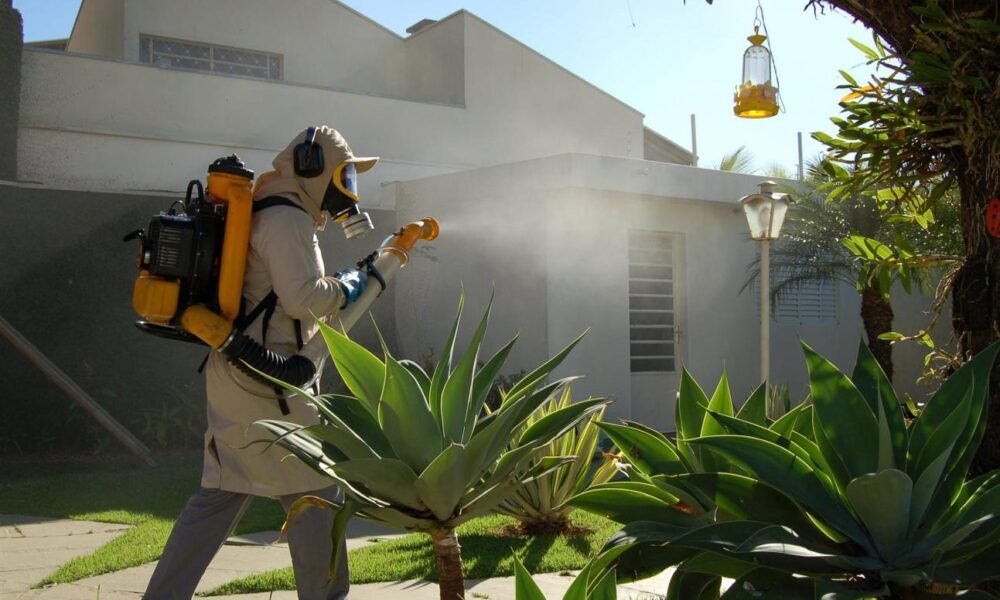
Health authorities across multiple states have directed local bodies to strengthen vector-control operations, including fogging drives, waterlogging management and the elimination of stagnant water sources. Experts warn that even small collections of standing water can become breeding grounds for mosquitoes responsible for transmitting dengue and other vector-borne diseases.
Hospitals and primary healthcare centers have also been placed on alert to ensure early detection and timely treatment of suspected cases. Medical professionals emphasize that prompt diagnosis is essential in preventing severe complications and reducing pressure on healthcare facilities during peak transmission periods.
According to public health experts, dengue remains one of the most significant seasonal health challenges in India. Urbanization, population density and changing weather patterns continue to contribute to the spread of mosquito-borne diseases. As a result, authorities are focusing not only on treatment but also on preventive strategies aimed at reducing mosquito populations and increasing public awareness.
Several municipal corporations have launched door-to-door inspection drives to identify potential breeding sites in residential and commercial areas. Community participation is being encouraged through awareness campaigns that educate citizens about preventive measures such as covering water storage containers, maintaining cleanliness and reporting mosquito breeding hotspots.
Healthcare professionals advise individuals to seek medical attention if they experience symptoms such as high fever, severe headache, body aches, nausea or skin rashes. Early medical consultation can help improve treatment outcomes and reduce the risk of complications.
The growing use of digital disease surveillance systems is also helping health departments monitor trends and respond more effectively to emerging health risks. Real-time reporting and data-driven decision-making have strengthened the ability of authorities to track outbreaks and deploy resources where they are needed most.
Experts believe that preventive action during the early stages of the monsoon season is critical for minimizing the impact of dengue outbreaks. Effective coordination between health departments, local administrations and communities will play an important role in controlling disease transmission.
As states continue to enhance preparedness measures, public health officials are urging citizens to remain vigilant and actively participate in prevention efforts. The coming weeks are expected to be crucial in determining the effectiveness of these measures in limiting the spread of dengue and protecting public health.







No Comment! Be the first one.