



Kerala Issues Shigella Health Alert as States Strengthen Disease Surveillance Measures
Health departments across India are increasing surveillance and preparedness efforts as seasonal health concerns, infectious disease risks and public health alerts remain in focus. Among the most...

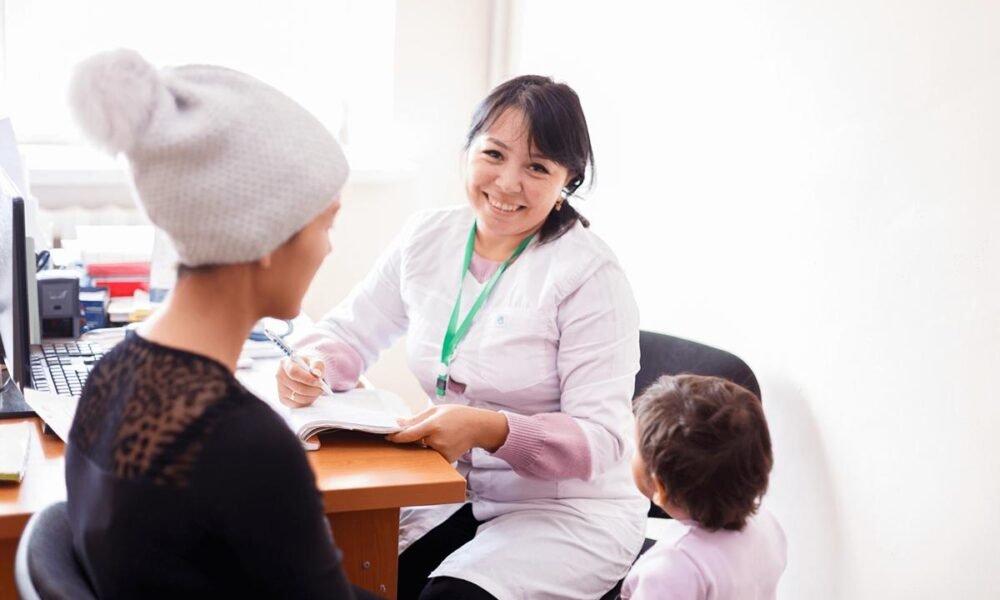
Health departments across India are increasing surveillance and preparedness efforts as seasonal health concerns, infectious disease risks and public health alerts remain in focus. Among the most significant developments, Kerala has issued a public health advisory following the reporting of Shigella infection cases, prompting authorities to intensify preventive measures and strengthen monitoring across vulnerable areas.
The Kerala Health Department has directed local authorities and healthcare institutions to enhance disease surveillance, improve sanitation standards and ensure the safety of drinking water sources. Officials have urged residents to remain vigilant and follow hygiene protocols as the state works to prevent further transmission of the infection. Shigella is a bacterial disease that primarily spreads through contaminated food and water and can cause symptoms such as diarrhea, fever, abdominal pain and vomiting. Children are considered particularly vulnerable to severe complications.
As part of its response strategy, the state government has instructed hospitals to remain prepared for suspected and confirmed cases. Public health officials have advised citizens to consume boiled drinking water, maintain food hygiene and seek medical attention immediately if symptoms develop. Authorities have emphasized that community participation will play a crucial role in controlling the spread of the disease.
The alert comes at a time when monsoon-related health risks are increasing across several states. Public health experts often observe a rise in waterborne and vector-borne diseases during this period due to changing weather conditions, water contamination and increased exposure to infectious agents. Health departments are therefore strengthening surveillance systems and preventive outreach programs to reduce outbreak risks.
Meanwhile, the Union Health Ministry has also maintained heightened vigilance regarding global disease developments. Recent advisories have focused on monitoring international health threats and strengthening preparedness mechanisms at ports, airports and healthcare facilities. Authorities continue to emphasize the importance of surveillance, rapid reporting and coordinated public health responses to emerging risks.
Healthcare experts note that early detection remains one of the most effective tools for outbreak prevention. Improved disease monitoring systems, digital health reporting platforms and stronger coordination between state and central agencies have significantly enhanced India’s ability to identify and respond to potential public health threats.
In addition to infectious disease preparedness, states are also focusing on public awareness campaigns aimed at promoting hygiene, safe drinking water and preventive healthcare practices. Such initiatives are considered essential for reducing disease transmission and improving community resilience during high-risk periods.
As seasonal health challenges continue to evolve, state health departments are expected to maintain a proactive approach toward disease surveillance and emergency preparedness. The latest developments highlight the importance of timely interventions, public cooperation and robust healthcare systems in protecting public health and preventing larger outbreaks.



No Comment! Be the first one.