




Monsoon-Related Illnesses Rise as States Issue Public Health Advisories
Health departments across several states have intensified awareness campaigns and preventive measures as monsoon-related illnesses begin to rise with the onset of seasonal rains. Public health...

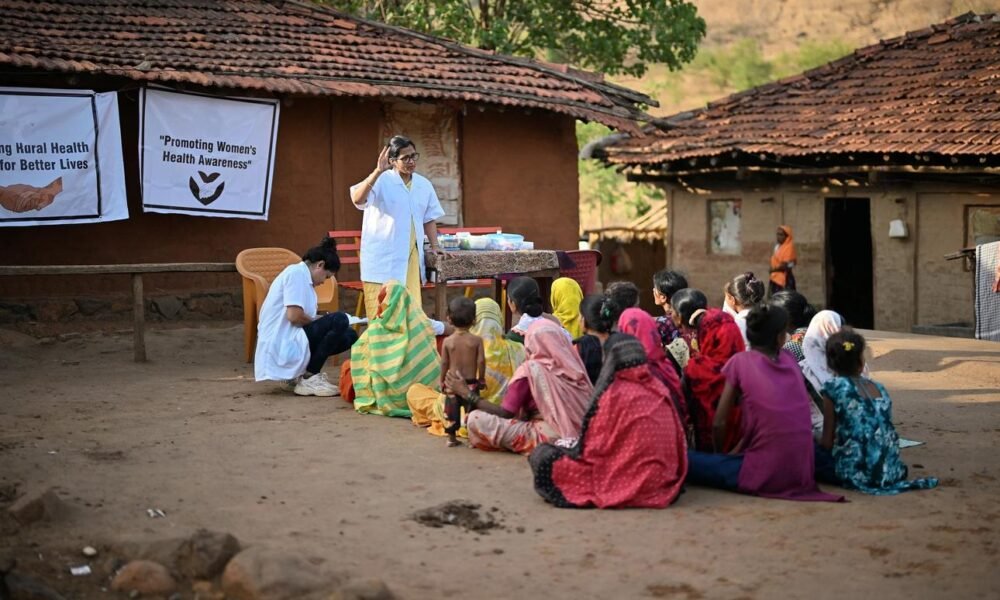
Health departments across several states have intensified awareness campaigns and preventive measures as monsoon-related illnesses begin to rise with the onset of seasonal rains. Public health officials are urging citizens to remain vigilant against waterborne and vector-borne diseases, which typically increase during this period due to waterlogging, humidity and contamination risks.
Medical experts report that hospitals and primary healthcare centers are witnessing a rise in cases of viral fever, gastroenteritis, dengue, malaria and other seasonal infections. While most cases remain manageable, health authorities are focusing on early intervention to prevent localized outbreaks and reduce pressure on healthcare facilities.
State governments have launched sanitation drives, mosquito-control campaigns and public awareness initiatives aimed at minimizing disease transmission. Local bodies have been instructed to eliminate stagnant water, improve waste management and monitor areas vulnerable to mosquito breeding.
Healthcare professionals emphasize the importance of safe drinking water and food hygiene during the monsoon season. Contaminated water sources can increase the risk of gastrointestinal infections, while poor sanitation conditions may contribute to the spread of various communicable diseases.
Several states have also strengthened disease surveillance systems to track seasonal health trends more effectively. Real-time monitoring and rapid reporting mechanisms allow health authorities to identify emerging hotspots and deploy preventive measures before situations escalate.
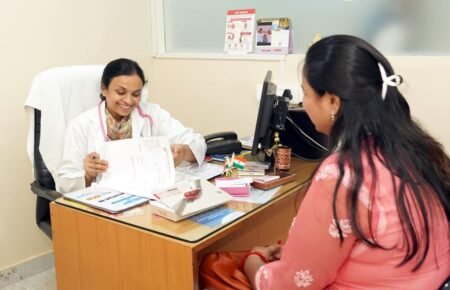
Doctors advise individuals to seek prompt medical attention if symptoms such as persistent fever, dehydration, severe headaches or respiratory complications develop. Early diagnosis and treatment remain critical in preventing complications associated with seasonal illnesses.
Public health specialists note that community participation plays a significant role in disease prevention. Simple measures such as maintaining cleanliness, using mosquito repellents, covering water storage containers and consuming clean drinking water can substantially reduce health risks.
Hospitals are simultaneously reviewing preparedness plans to ensure adequate availability of medicines, diagnostic facilities and emergency response capabilities. Healthcare administrators expect seasonal disease management to remain a priority throughout the monsoon months.
Experts believe that increased public awareness, improved sanitation and proactive healthcare interventions can significantly reduce the impact of seasonal disease outbreaks. Coordinated efforts between healthcare institutions, local governments and communities remain essential for protecting public health.
As monsoon conditions continue across various regions, health authorities are encouraging citizens to follow official advisories and adopt preventive practices. The seasonal rise in illnesses highlights the importance of preparedness and public cooperation in maintaining community health and safety.




No Comment! Be the first one.