








India Expands Sickle Cell Disease Screening as Public Health Mission Gains Momentum
India is continuing to strengthen its efforts against Sickle Cell Disease (SCD) through expanded screening programs, community outreach initiatives and early diagnosis campaigns. The nationwide...

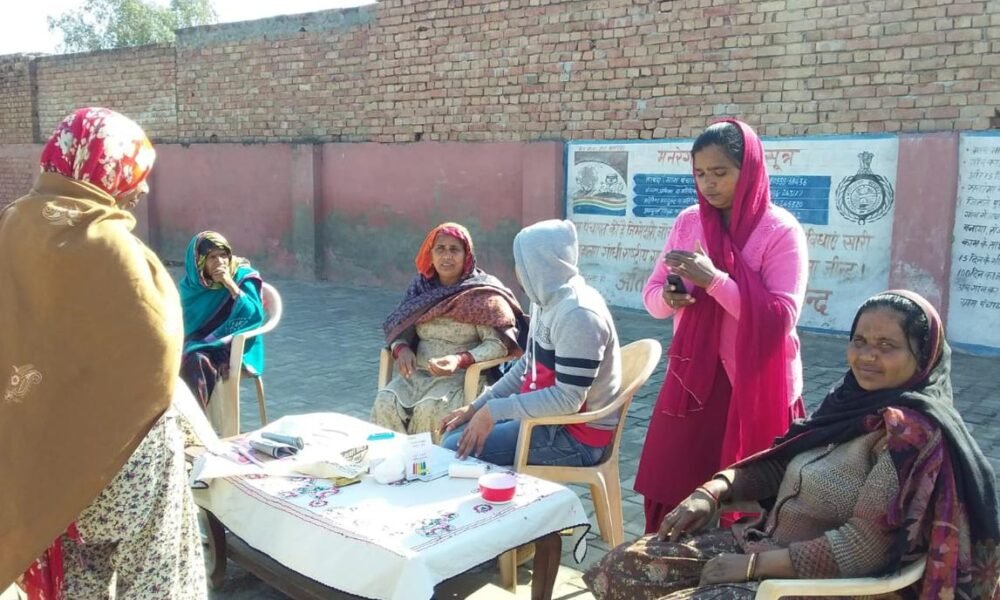
India is continuing to strengthen its efforts against Sickle Cell Disease (SCD) through expanded screening programs, community outreach initiatives and early diagnosis campaigns. The nationwide mission, which focuses particularly on tribal and high-risk populations, has become a major public health priority as authorities work toward reducing the burden of the inherited blood disorder.
Healthcare officials have intensified screening drives across several states, enabling earlier identification of affected individuals and carriers. Medical experts note that early detection plays a critical role in improving disease management, reducing complications and enhancing quality of life for patients living with the condition.
Sickle Cell Disease affects red blood cells, causing them to assume an abnormal shape that can restrict blood flow and lead to severe pain, organ damage and other health complications. The condition is most prevalent in certain tribal communities and regions where genetic prevalence is higher.
Public health authorities are focusing on awareness programs to educate communities about the disease, available treatment options and the importance of genetic screening. Health workers are conducting outreach activities in rural and underserved areas to improve access to information and healthcare services.
The expansion of screening initiatives is being supported by healthcare infrastructure improvements, mobile health units and digital health systems. Technology-enabled tracking and reporting mechanisms are helping authorities monitor progress and ensure continuity of care for identified patients.
Medical professionals emphasize that awareness and early intervention are essential for managing Sickle Cell Disease effectively. Regular health monitoring, timely treatment and access to specialized healthcare services can significantly improve patient outcomes and reduce long-term complications.
Healthcare institutions are also increasing efforts to train medical personnel and strengthen diagnostic capabilities. Enhanced healthcare preparedness is expected to support more effective management of SCD cases while improving patient support systems.
The initiative aligns with broader public health goals focused on preventive healthcare, disease surveillance and equitable access to medical services. Policymakers believe that targeted screening and awareness efforts can help reduce disease burden and improve health outcomes in vulnerable populations.
Experts note that continued collaboration between healthcare providers, community organizations and government agencies will be critical for achieving long-term success. Public participation and awareness remain important components of the overall strategy.
As screening programs continue to expand, India’s Sickle Cell Disease mission is emerging as a significant example of proactive public health intervention. The effort highlights the growing importance of early diagnosis, community engagement and preventive healthcare in addressing complex health challenges.








No Comment! Be the first one.