






Health Ministry Expands Antimicrobial Resistance Monitoring to Combat Growing Public Health Threat
India is strengthening efforts to address Antimicrobial Resistance (AMR), a growing global health challenge that threatens the effectiveness of antibiotics and other life-saving medicines. Health...


India is strengthening efforts to address Antimicrobial Resistance (AMR), a growing global health challenge that threatens the effectiveness of antibiotics and other life-saving medicines. Health authorities are expanding surveillance networks, improving laboratory capabilities and promoting responsible use of antimicrobial drugs as part of a broader strategy to contain the problem.
Medical experts warn that antimicrobial resistance occurs when bacteria, viruses, fungi and parasites evolve and become less responsive to treatments that were previously effective. As resistance increases, common infections can become more difficult to treat, leading to longer hospital stays, higher healthcare costs and increased health risks.
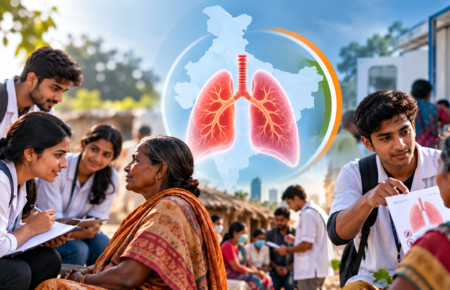
The Ministry of Health and Family Welfare has been working with healthcare institutions and research organizations to strengthen monitoring systems capable of tracking resistance patterns across different regions. Enhanced surveillance allows authorities to identify emerging threats and develop targeted public health interventions.
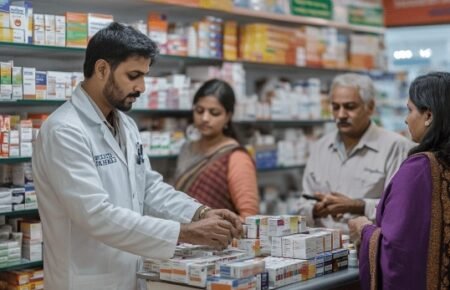
Healthcare professionals emphasize the importance of responsible antibiotic use. Overuse and misuse of antimicrobial medications remain major contributors to resistance, prompting renewed awareness campaigns aimed at both healthcare providers and the public. Experts advise patients to follow prescribed treatments carefully and avoid self-medication practices.
Hospitals are also implementing stronger infection prevention and control measures. Improved hygiene practices, better sanitation standards and enhanced clinical protocols can help reduce the spread of resistant infections within healthcare settings.
Technology is playing an increasingly important role in AMR management. Advanced laboratory systems, digital surveillance tools and data-sharing platforms are helping researchers and health authorities analyze trends more efficiently and respond to emerging risks.
Public health specialists consider antimicrobial resistance one of the most significant long-term healthcare challenges facing countries worldwide. Addressing the issue requires coordinated efforts involving governments, healthcare institutions, researchers, pharmaceutical companies and communities.
India’s efforts are aligned with global initiatives focused on preserving the effectiveness of existing treatments while encouraging the development of new therapeutic solutions. Investments in research, surveillance and healthcare infrastructure are expected to remain central to these efforts.
Experts note that raising awareness among the public is essential for long-term success. Understanding the importance of appropriate antibiotic use can help reduce unnecessary consumption and slow the development of resistance.
As surveillance systems continue to expand and awareness efforts gain momentum, healthcare authorities remain focused on protecting the effectiveness of critical medicines. The fight against antimicrobial resistance highlights the importance of prevention, responsible healthcare practices and sustained public health collaboration in safeguarding future generations.






No Comment! Be the first one.