







ICMR Study Finds Drones Can Cut TB Diagnosis Time from 15 Days to Five in Rural India
A new study by the Indian Council of Medical Research (ICMR) has shown that drone technology could significantly improve tuberculosis (TB) diagnosis in remote parts of India by reducing the time...


A new study by the Indian Council of Medical Research (ICMR) has shown that drone technology could significantly improve tuberculosis (TB) diagnosis in remote parts of India by reducing the time taken to transport medical samples. Conducted under the i-DRONE initiative in Telangana’s Yadadri-Bhuvanagiri district, the research found that using drones to carry sputum samples reduced the median diagnosis time from 15 days to just five days.
Tuberculosis remains one of India’s biggest public health challenges, with early diagnosis playing a crucial role in preventing complications and limiting the spread of infection. In many rural areas, patients often travel long distances to diagnostic centres, resulting in delays that can postpone treatment and increase healthcare costs.
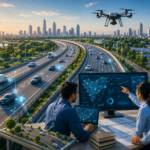
The ICMR study tested a different approach. Instead of asking patients to carry sputum samples to district laboratories, healthcare workers collected samples at nearby Primary Health Centres and sub-centres. The samples were then transported by drones to TB diagnostic units through a hub-and-spoke network connecting 11 Primary Health Centres, 60 sub-centres and four TB Units.
Researchers enrolled 840 participants and compared the conventional transport system with the drone-assisted model. The results showed that faster transportation dramatically shortened laboratory turnaround times, allowing patients to receive confirmed diagnoses much earlier than under the traditional process. Earlier diagnosis increases the chances of starting treatment promptly and reducing disease transmission within communities.
The financial impact was equally significant. Under the conventional system, patients spent an average of around ₹9,451 on travel, accommodation, lost wages and related expenses while seeking diagnosis. With drone-assisted transport, the average out-of-pocket cost dropped to just ₹91, while many participants reported spending nothing at all because they no longer needed to travel to distant diagnostic facilities.
Public health experts believe such technology could transform healthcare delivery in geographically challenging regions where access to specialised laboratories remains limited. India has thousands of villages located far from district hospitals, making timely diagnosis difficult for diseases that require laboratory testing.
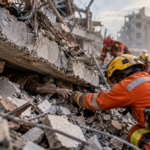
Beyond tuberculosis, drone-based logistics could eventually support transportation of blood samples, vaccines, medicines and emergency medical supplies. Similar pilot programmes have already demonstrated the potential of drones during natural disasters and in areas with limited road connectivity.
The findings also highlight the growing role of technology in strengthening India’s healthcare infrastructure. Digital health records, artificial intelligence, telemedicine and drone logistics are increasingly being explored to improve efficiency while reducing barriers to healthcare access.
However, experts caution that wider implementation will require investments in drone infrastructure, trained operators, regulatory approvals and integration with existing public health systems. Weather conditions, airspace management and operational costs will also need careful planning before large-scale deployment.
The encouraging results from the ICMR study nevertheless provide strong evidence that innovative transport solutions can improve healthcare outcomes in underserved communities. Faster diagnosis not only benefits individual patients but also strengthens disease surveillance and public health response by enabling earlier identification and treatment of infectious diseases.
As India continues working towards eliminating tuberculosis, technologies that reduce delays in diagnosis and improve healthcare accessibility could become valuable additions to national disease control programmes, particularly in rural and remote regions where timely medical services remain a persistent challenge.






No Comment! Be the first one.