






Monsoon Health Risks: Diseases and Precautions During Heavy Rain
As the nation prepares for the upcoming winter season, parts of India are still under the grip of the monsoon. The monsoon has spread across the country, and many people are enjoying the season....

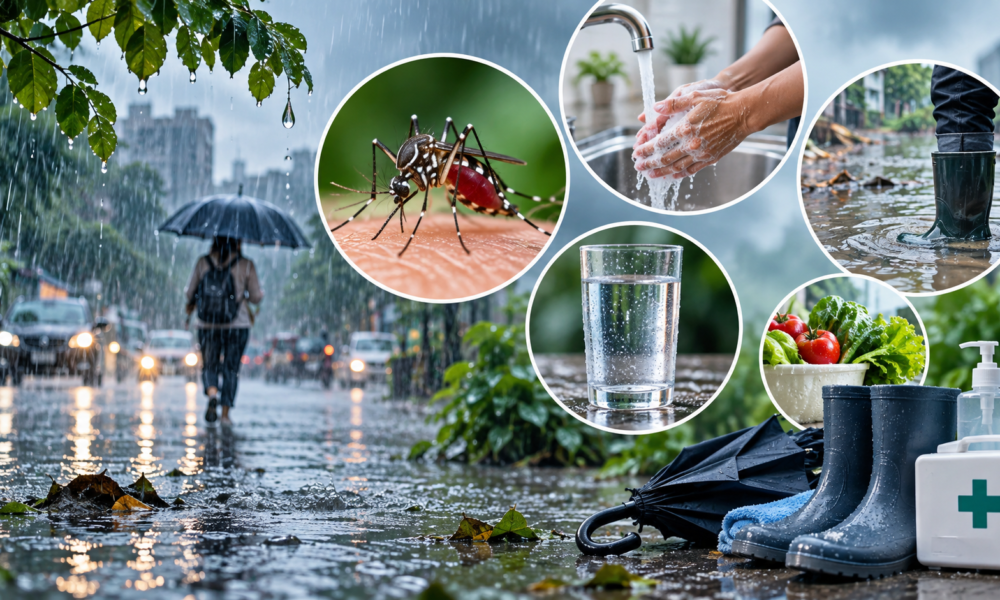
As the nation prepares for the upcoming winter season, parts of India are still under the grip of the monsoon. The monsoon has spread across the country, and many people are enjoying the season. However, some people are concerned about the health risks that the monsoon can bring. And rightly so, because heavy rainfall can contribute to the spread of diseases and create several health risks if people are not careful.
Here are some of the key health risks and precautions to keep in mind during the monsoon:
- Spread of Dengue and Malaria
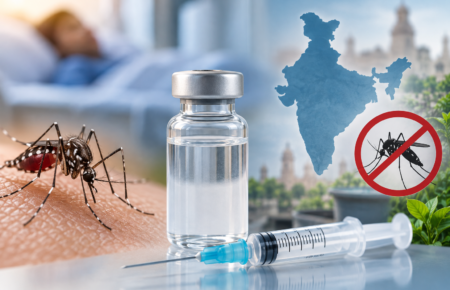
Heavy rainfall can create stagnant water, which provides suitable breeding grounds for mosquitoes. These mosquitoes can transmit diseases such as dengue and malaria through their bites.
- Food Poisoning
Heavy rainfall can cause waterlogging, which may lead to the contamination of groundwater and other water sources. Contaminated water can be used for cooking and food preparation at home. If the water is contaminated with harmful pathogens, consuming food prepared with it can increase the risk of food poisoning and other infections.
- Viral Fever
The monsoon can coincide with increased circulation of several viral infections, which may cause symptoms such as fever, severe headaches and body aches.
Maintaining good hygiene, avoiding mosquito bites and drinking safe water can help reduce the risk of infection. People should also avoid self-medicating with antibiotics. Persistent or high fever should be evaluated by a medical professional.
- Leptospirosis
Floodwater or soil can become contaminated with urine from infected rats and other animals. The bacteria can enter the body through cuts, wounds or mucous membranes.
A simple preventive measure is to avoid unnecessary contact with floodwater or stagnant water. When exposure is unavoidable, people should wear protective footwear and gloves. Any cuts or wounds should be cleaned properly and protected from exposure to contaminated water.
- Digestive Problems
Contaminated food or water can introduce infectious organisms into the digestive tract, causing diarrhoea, vomiting and abdominal pain.
Useful preventive measures include drinking safe water, eating properly cooked food, washing hands regularly and maintaining good kitchen hygiene.
- Dehydration
Vomiting, diarrhoea, fever and inadequate fluid intake can cause the body to lose more water and electrolytes than it replaces.
A simple precaution is to drink water regularly, increase fluid intake during illness and use appropriate oral rehydration solutions when significant diarrhoea or vomiting occurs.
- Breathing and Respiratory Problems
Damp indoor environments can encourage mould growth, while respiratory infections and allergies can become more troublesome during seasonal changes.
The best prevention is to keep rooms dry and well ventilated, fix leaks, clean visible mould safely and maintain air-conditioning filters.
- Skin Problems
Humidity, sweating and prolonged dampness can irritate the skin and create conditions favourable for some fungal and bacterial infections.
The best prevention is to keep the skin dry, change out of wet clothes, dry yourself thoroughly after bathing and avoid sharing personal towels.
- Hair and Scalp Problems
Humidity and sweat can make the scalp oily and may aggravate dandruff or other scalp conditions.
A simple preventive measure is to keep the scalp clean and dry and avoid keeping wet hair tied up for long periods. Medically appropriate treatments can also be used for persistent dandruff or hair loss after consulting a healthcare professional.
- Diabetes-Related Problems
Illness, changes in routine and humidity can make diabetes management more complicated. Insulin also requires appropriate storage conditions.
It is important to monitor blood glucose as advised, maintain regular medication routines, stay hydrated and store insulin according to the prescribed storage instructions.
- Brain Stroke
A stroke occurs when blood flow to part of the brain is blocked or when a blood vessel in the brain bleeds. Monsoon weather is not itself a direct cause, but dehydration, infections and uncontrolled cardiovascular risk factors can contribute to health complications.
Preventive measures include controlling blood pressure, diabetes and cholesterol, avoiding smoking and exercising regularly. It is also important to recognise the FAST warning signs: Face drooping, Arm weakness, Speech difficulty, Time to seek emergency medical care.
- Floodwater-Related Diseases
Floodwater can mix with sewage, animal waste and other contaminants, increasing exposure to infectious organisms.
People should avoid walking through floodwater whenever possible. If exposure is unavoidable, protective footwear should be worn. Exposed skin should be washed thoroughly afterwards, and only safe drinking water should be consumed.



No Comment! Be the first one.