








India’s Immunoscript Gets $8.9 Million CEPI Funding for Next-Generation RNA Vaccine
Pune-based biotechnology company Immunoscript Life Science will receive up to US$8.9 million from the Coalition for Epidemic Preparedness Innovations (CEPI) to advance clinical testing of its...

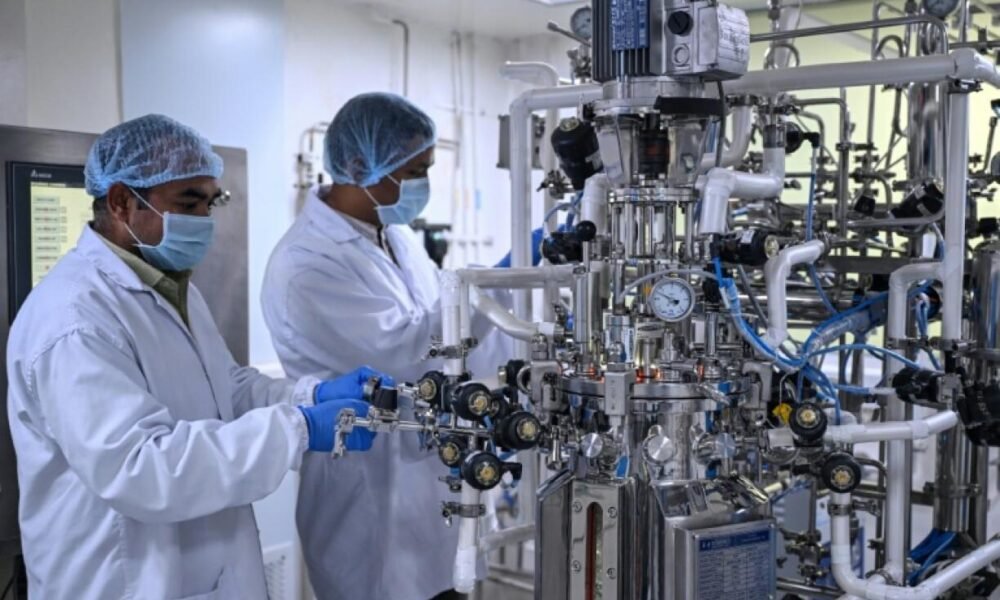
Pune-based biotechnology company Immunoscript Life Science will receive up to US$8.9 million from the Coalition for Epidemic Preparedness Innovations (CEPI) to advance clinical testing of its thermostable self-amplifying RNA (saRNA) vaccine platform. The funding, announced on September 9, marks a new step in India’s efforts to develop vaccine technologies that could be used against future infectious disease outbreaks.
The technology is designed to address one of the practical challenges associated with many RNA vaccines: temperature-sensitive storage and transportation. Conventional mRNA vaccines can require very low temperatures to maintain stability, creating difficulties for healthcare systems in remote and low-resource areas where specialised cold-chain equipment may not be readily available.
Immunoscript’s CLNE self-amplifying RNA platform takes a different approach. According to CEPI, the technology uses a nanoemulsion design in which RNA molecules are attached to the surface of nanoemulsion droplets. The vaccine platform can then be dried into a powder and stored and transported at temperatures between 2°C and 8°C. This could make distribution easier through more conventional vaccine supply chains if the technology proves successful in clinical development.
The new funding will support an early-stage clinical study to assess the safety of the platform and the immune response produced by vaccination against rabies. Researchers will use rabies as a prototype to test the technology beyond COVID-19. The study is expected to take place in India, with artificial intelligence tools being used to help identify an appropriate vaccine dose for participants.
The project is also linked to CEPI’s wider 100 Days Mission, which aims to make it possible to develop safe and effective vaccines against new epidemic threats within 100 days of identifying a pathogen. India is among the countries supporting the initiative and has an established position in global vaccine manufacturing.
The term “Disease X” is used by global health organisations to describe an as-yet unknown pathogen that could cause a serious international epidemic or pandemic. The focus on platform technologies is intended to reduce the time needed to respond when a new threat emerges. Rather than developing every vaccine from the beginning, adaptable technologies could provide a foundation for responding to different pathogens.
Self-amplifying RNA is another feature of the Immunoscript platform. Unlike conventional mRNA approaches, saRNA can instruct cells to produce additional copies of the RNA after vaccination. This may allow a smaller amount of RNA to generate an immune response, potentially helping manufacturers use their production capacity more efficiently. However, these potential benefits still need to be demonstrated through clinical research.
For India, the development has implications beyond pandemic preparedness. The country already plays a major role in vaccine manufacturing and supply, and advances in RNA technology could strengthen its position in next-generation vaccine research and development. CEPI said the project could also contribute to more equitable access to RNA vaccines in countries where cold-chain infrastructure is limited.
The funding does not mean a new vaccine is ready for public use. The platform is moving towards early-stage human testing, and its safety and effectiveness will need to be established through clinical studies and regulatory processes. If the research succeeds, however, the technology could offer a more practical way of developing and distributing RNA vaccines during future outbreaks.
The development places India’s biotechnology sector at the centre of a wider effort to prepare for emerging infectious diseases while addressing one of the logistical challenges that became particularly visible during the COVID-19 pandemic.






No Comment! Be the first one.