







Heat Wave: Health Risks, Warning Signs and How to Protect Yourself
Heat-wave conditions can put significant pressure on the body, particularly when high temperatures persist for several days. Prolonged exposure to extreme heat can increase the risk of dehydration,...

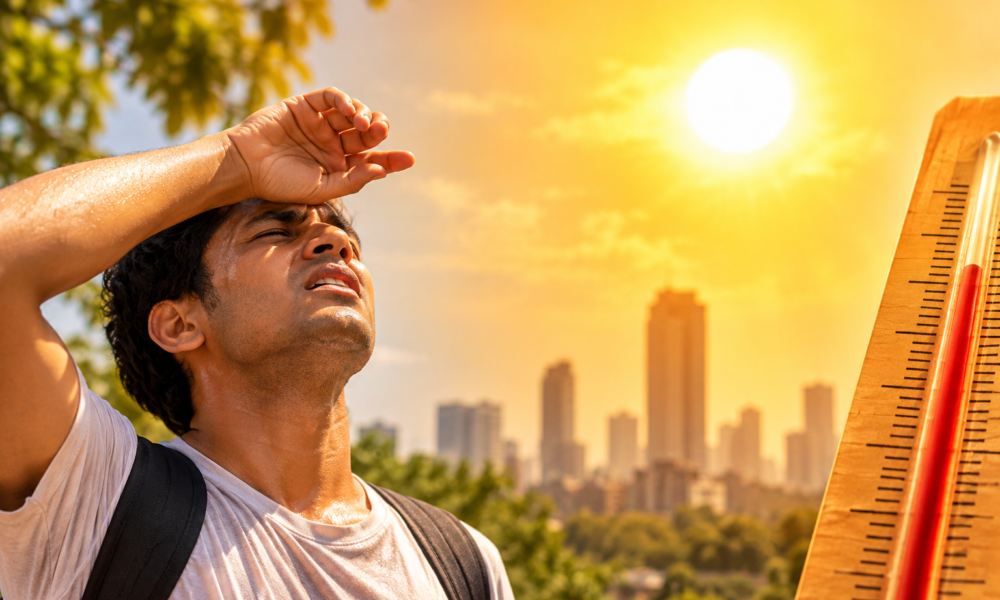
Heat-wave conditions can put significant pressure on the body, particularly when high temperatures persist for several days. Prolonged exposure to extreme heat can increase the risk of dehydration, heat exhaustion and heatstroke, making it important to recognise warning signs and take preventive measures.
The India Meteorological Department (IMD) maintains district-wise heat-wave warnings and updates weather-related alerts across the country. Heat-related risks can vary considerably between regions depending on temperature, humidity, rainfall and local weather conditions.
What happens to the body during a heat wave?
The human body normally regulates its temperature through mechanisms such as sweating and increased blood flow to the skin. During prolonged periods of intense heat, however, these mechanisms can become less effective.
Heavy sweating can also result in significant loss of fluids and electrolytes. If these losses are not adequately replaced, dehydration can develop and may progress to heat exhaustion or, in severe cases, heatstroke.
Heat exhaustion: Warning signs to watch for
Common symptoms of heat exhaustion can include:
- Heavy sweating
- Weakness or fatigue
- Dizziness
- Headache
- Nausea
- Muscle cramps
- Excessive thirst
- Feeling faint
Moving to a cooler place, resting and drinking fluids can help when heat exhaustion is suspected. If symptoms become severe or do not improve, medical attention should be sought.
Heatstroke can be a medical emergency
Heatstroke is more serious and requires urgent medical attention. Warning signs can include very high body temperature, confusion, altered behaviour, loss of consciousness or seizures.
A person showing signs of heatstroke should be moved to a cooler environment and given immediate medical assistance. It is important not to delay emergency care while attempting home treatment.
Who is more vulnerable to extreme heat?
The effects of high temperatures can be more serious for:
- Older adults
- Young children
- People who work outdoors
- People who exercise or undertake strenuous physical activity in hot conditions
- People without adequate access to cooling
- People with certain underlying health conditions
- How to stay safe during hot weather
Simple precautions can reduce heat exposure:
- Stay hydrated: Drink water regularly and avoid waiting until you feel extremely thirsty.
- Limit exposure: Try to avoid prolonged outdoor activity during the hottest part of the day.
- Choose light clothing: Loose, lightweight clothing can help the body release heat.
- Keep indoor spaces cool: Use ventilation, fans or air conditioning where available.
- Take breaks: People working or exercising outdoors should take regular breaks in shaded or cooler areas.
- Watch for symptoms: Dizziness, unusual weakness, confusion or fainting should not be ignored.
The broader weather picture is also important. On September 12, 2026, the IMD reported active monsoon conditions over several regions, with a low-pressure system over the northwest and west-central Bay of Bengal and forecasts for heavy rainfall in multiple states.
This means heat-related conditions should be assessed region by region rather than assuming that the entire country is experiencing a heat wave. The IMD’s district-wise warning system provides the appropriate reference for checking local heat-wave alerts.






No Comment! Be the first one.