





India’s HPV Vaccination Drive: 80 Lakh Doses Administered, What It Means for Cervical Cancer Prevention
New Delhi: India has crossed a major milestone in its efforts to prevent cervical cancer, with more than 80 lakh (8 million) doses of the Human Papillomavirus (HPV) vaccine administered under the...
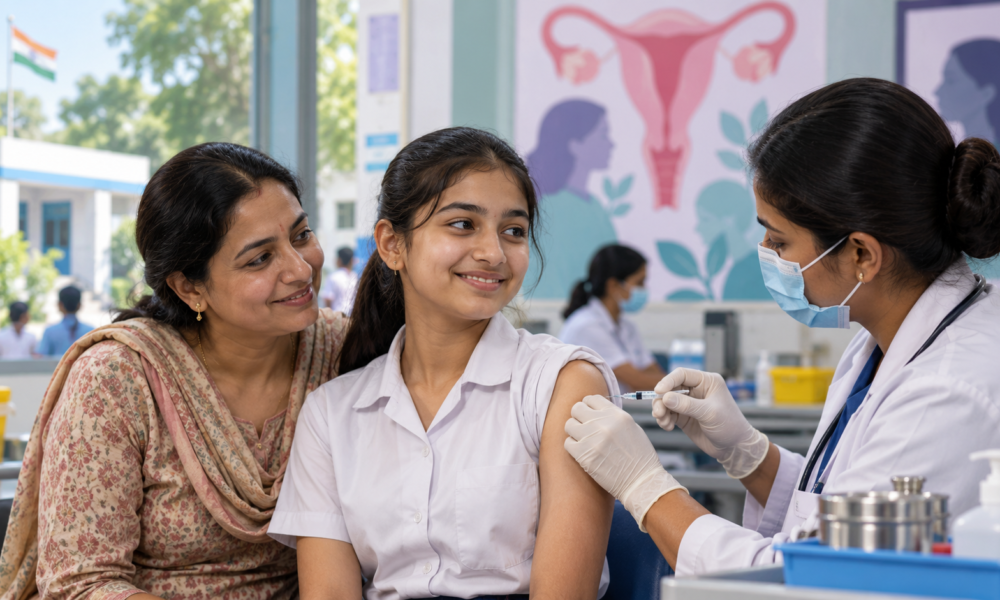
New Delhi: India has crossed a major milestone in its efforts to prevent cervical cancer, with more than 80 lakh (8 million) doses of the Human Papillomavirus (HPV) vaccine administered under the country’s National HPV Vaccination Campaign since its launch in February 2026.
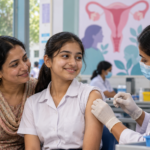
The nationwide campaign provides free and voluntary single-dose HPV vaccination to 14-year-old girls at government health facilities. The programme is aimed at preventing HPV infections that can later lead to cervical cancer, making vaccination an important part of India’s broader cancer-prevention strategy.
Why HPV Vaccination Matters
Human Papillomavirus is a common infection, and persistent infection with high-risk HPV types is responsible for almost all cervical cancer cases. According to the Government of India, HPV types 16 and 18 account for more than 80% of cervical cancer cases in India.
Cervical cancer remains a significant public health concern in the country. Government data based on GLOBOCAN 2022 estimates put India at more than 1.2 lakh new cervical cancer cases and nearly 80,000 deaths annually.
The HPV vaccine is therefore designed to provide protection before exposure to the virus. India’s national programme uses the Gardasil-4 vaccine, which protects against HPV types 6, 11, 16 and 18. The Government says a single dose provides 93–100% effectiveness against the HPV types responsible for cervical cancer.
80 Lakh Doses and State-Wise Progress
The latest milestone comes around six months after the national campaign was launched on 28 February 2026.
According to the Ministry of Health and Family Welfare, Uttar Pradesh has recorded more than 22 lakh vaccinations, the highest number among states. Gujarat, Uttar Pradesh, Madhya Pradesh and Mizoram have reached 100% coverage of their identified target populations, while Bihar, Andhra Pradesh and Assam have crossed 90%.
The campaign is being delivered through government healthcare facilities, including Ayushman Arogya Mandirs, primary health centres, community health centres, district hospitals and government medical colleges.
Vaccination Is Only One Part of Prevention
While HPV vaccination can significantly reduce the risk of HPV-related cervical cancer, prevention does not end with vaccination.
The Government’s broader cervical cancer strategy also includes screening, early diagnosis and treatment. Screening and early detection services are being provided through Ayushman Arogya Mandirs, while treatment is available through designated Day Care Cancer Centres.
This combination is important because vaccination and screening serve different purposes. Vaccination helps prevent infection with vaccine-covered HPV types, while screening can identify cervical changes that may require further medical assessment.
Focus on Reaching Remaining Beneficiaries
The Health Ministry said the campaign is now moving towards its final phase, with efforts focused on reaching eligible girls who have not yet received the vaccine. Vaccination sessions are conducted under the supervision of trained medical officers, with 24-hour arrangements available at linked healthcare facilities to manage rare adverse events following immunisation.
The programme is also being monitored through U-WIN, the Government’s digital vaccination platform. Health authorities are working with states, healthcare professionals, frontline workers and communities to improve awareness and access.
The 80-lakh milestone represents a significant expansion of HPV vaccination in India. The longer-term impact, however, will depend on reaching the remaining eligible beneficiaries and maintaining awareness of both HPV vaccination and regular cervical cancer screening as complementary tools for prevention.

No Comment! Be the first one.