






Western Disturbance and Health: Why Changing Weather Can Trigger Allergies, Asthma and Infections
A changing weather pattern across northern India is bringing renewed attention to the health effects of sudden shifts in temperature, humidity and rainfall. Western Disturbances, which are weather...

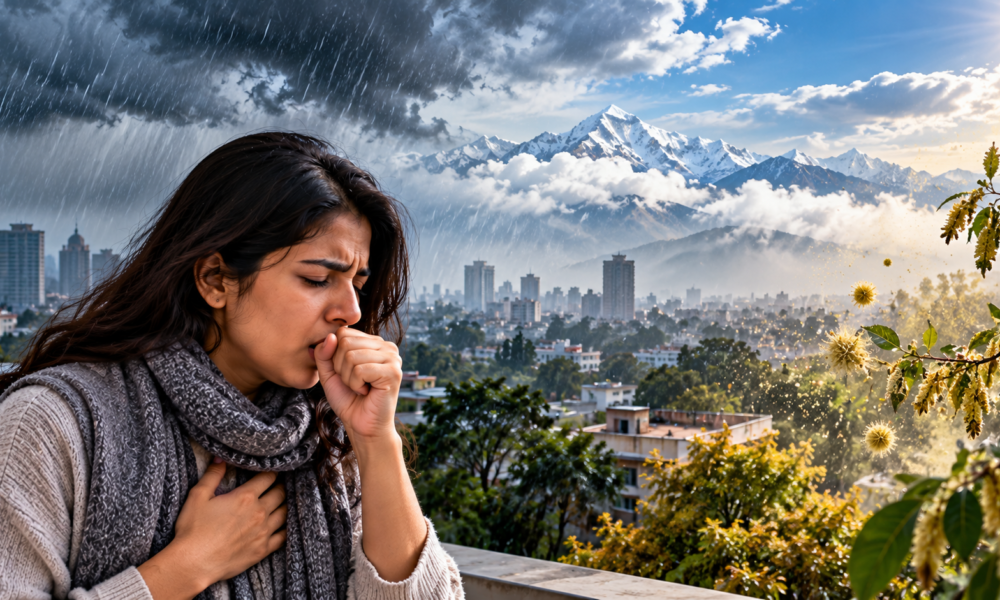
A changing weather pattern across northern India is bringing renewed attention to the health effects of sudden shifts in temperature, humidity and rainfall. Western Disturbances, which are weather systems that can interact with the southwest monsoon, have contributed to spells of rain and thunderstorms across parts of north India during September. The India Meteorological Department says monsoon withdrawal depends partly on sustained reductions in rainfall and moisture, meaning the transition from monsoon to post-monsoon conditions can involve considerable weather variability.
For people with asthma, allergic rhinitis and other respiratory conditions, these changes can make symptoms harder to manage. Sudden changes in humidity can influence indoor dampness, while rain and moisture can encourage the growth of mould. Dust and other airborne irritants can also become a problem when conditions change rapidly and surfaces subsequently dry out.
Asthma symptoms may include coughing, wheezing, chest tightness and shortness of breath. People who already have diagnosed asthma should continue following their prescribed treatment plan rather than changing medication based only on weather conditions.
Weather-related respiratory problems are not limited to allergies. Changing environmental conditions can also influence the spread of infectious diseases, particularly when people spend more time indoors or when sanitation and ventilation deteriorate during periods of heavy rain.
The transition period can therefore create a complicated health environment. A person experiencing a cough after rain may have an allergy, asthma flare-up or infection, and the symptoms can overlap. Persistent breathing difficulty, chest pain, bluish lips or severe shortness of breath require urgent medical attention.
The best approach is prevention rather than assuming every weather-linked symptom is an infection. People vulnerable to asthma or allergies can monitor local weather alerts, reduce exposure to known triggers and keep prescribed medicines available. Indoor spaces should be kept reasonably dry and well ventilated when conditions permit.
The timing is particularly relevant this year because the monsoon withdrawal process can continue into October. IMD notes that complete withdrawal from the country is assessed through changes in rainfall, moisture and atmospheric circulation rather than simply by the calendar.
For households, the broader lesson is that respiratory health can be affected by the combination of weather, indoor air quality and existing medical conditions. A changing weather pattern does not automatically mean illness, but people with asthma, allergies or other chronic respiratory problems should pay attention to persistent symptoms and seek medical advice when they worsen.





No Comment! Be the first one.