





Cancer Drug Prices in India: How Government Regulation Could Affect Patients
Cancer treatment can place a heavy financial burden on patients and families. Costs may include medicines, hospital visits, diagnostic tests, procedures and supportive care. For this reason, changes...


Cancer treatment can place a heavy financial burden on patients and families. Costs may include medicines, hospital visits, diagnostic tests, procedures and supportive care. For this reason, changes to medicine pricing can be important for people undergoing treatment.
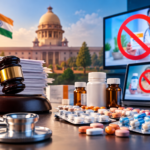
On 8 October 2026, the Press Information Bureau reported that the Union government had approved a 30% cap on trade margins for non-scheduled anti-cancer medicines. The government said the measure could help reduce prices by up to 70% and could save patients around ₹2,500 crore annually. These figures are government estimates, not a guarantee that every medicine’s price will fall by the same amount.
What does a trade-margin cap mean?
The price of a medicine can be affected by several stages in its supply chain. Trade margins are the amounts added by distributors and sellers at relevant stages.
According to the government announcement, the new measure is intended to limit trade margins to 30% of the maximum retail price for covered non-scheduled anti-cancer medicines.
The government also said an expert committee under the Directorate General of Health Services would finalise the list of medicines covered by the measure. Patients should therefore check whether a particular medicine is included and what price applies to it.
How are scheduled and non-scheduled medicines different?
Some medicines are included in the National List of Essential Medicines and are subject to government price controls under the applicable drug-pricing framework.
Other medicines may fall outside that scheduled list. The October announcement extends a form of margin protection to non-scheduled anti-cancer medicines.
This distinction matters because the rules and pricing arrangements can differ between products. A broad headline about cancer drug prices should not be interpreted as a uniform price reduction across all medicines.
Will every patient see lower bills?
Not necessarily. The effect will depend on which medicines are covered, their existing prices, the supply chain and the treatment prescribed.
Cancer care often involves several medicines and services. Even if a covered medicine becomes cheaper, the total cost of treatment may remain high because of hospital charges, tests, procedures or other drugs.
Patients should also avoid changing or stopping treatment because of a news report about pricing. A treating oncologist or qualified pharmacist can help identify the correct medicine and available alternatives.
How can patients check medicine prices?
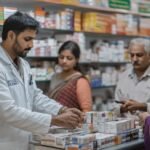
Patients can ask their hospital pharmacy or licensed pharmacist for an itemised bill and compare the quoted price with the applicable maximum retail price and official price notifications.
The National Pharmaceutical Pricing Authority and the Department of Pharmaceuticals publish information about medicine pricing and regulatory decisions. The latest official notification should be checked before assuming that a particular price change is already effective.
If a medicine appears to be priced incorrectly, consumers can ask the seller for clarification and use the relevant official grievance channel.
What should families do next?
Keep prescriptions, bills and medicine packaging. Ask the treating team whether an equivalent prescribed option is available if affordability becomes a concern. Any substitution should be discussed with a qualified healthcare professional.
Patients may also ask hospitals about patient-support programmes, government assistance schemes and other legitimate financial support where available.
The bottom line: The government’s October 2026 announcement is an important development in cancer medicine affordability. Its actual benefit for individual patients will depend on the final covered list, implementation and the medicine being purchased.




No Comment! Be the first one.