





Delhi Launches Intensive Dengue Prevention Drive Ahead of Monsoon Peak
The Delhi Government has intensified its dengue prevention campaign ahead of the peak monsoon season by strengthening surveillance, mosquito control measures and public awareness initiatives across...

The Delhi Government has intensified its dengue prevention campaign ahead of the peak monsoon season by strengthening surveillance, mosquito control measures and public awareness initiatives across the national capital. The move follows a high-level review meeting chaired by Union Health Minister J.P. Nadda, where preparedness for vector-borne diseases such as dengue was assessed with health officials.
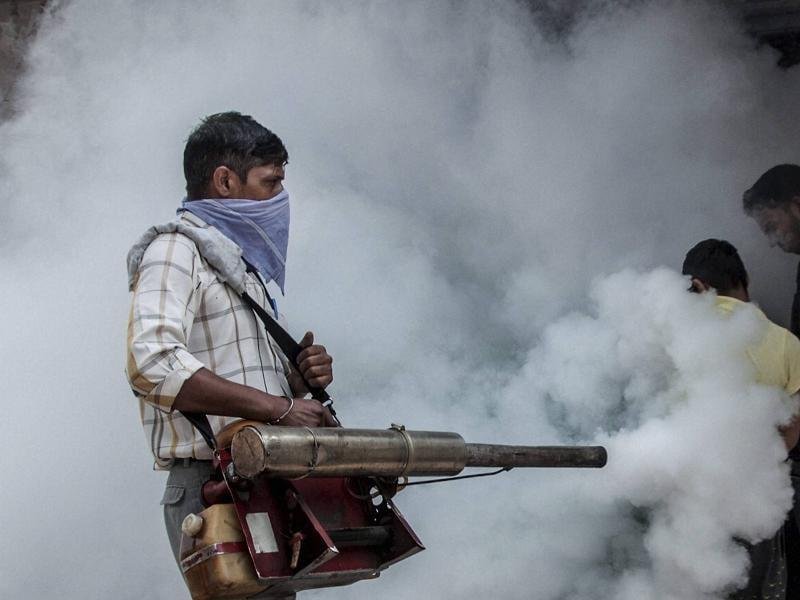
Health authorities have directed hospitals, municipal bodies and public health teams to enhance monitoring of suspected dengue cases, conduct regular fogging operations and eliminate mosquito breeding sites. Special emphasis has been placed on areas prone to waterlogging, where stagnant water can increase the risk of mosquito breeding during the rainy season.
Public health experts stress that dengue prevention depends largely on community participation. Residents are advised to prevent water accumulation in coolers, flower pots, buckets, tyres and rooftop containers, as the Aedes mosquito breeds in clean stagnant water. Wearing full-sleeved clothing, using mosquito repellents and installing window screens can further reduce the risk of infection.
Medical professionals recommend seeking immediate medical attention if symptoms such as high fever, severe headache, muscle pain, joint pain, skin rash or persistent vomiting develop. Early diagnosis and timely treatment are essential for preventing complications associated with severe dengue.
Hospitals have also been instructed to ensure adequate availability of diagnostic kits, medicines, blood components and trained healthcare personnel to manage any seasonal rise in dengue cases. Officials are coordinating with local civic agencies to strengthen disease surveillance and rapid response mechanisms.
Experts note that climate conditions during the monsoon often create favourable environments for mosquito breeding, making preventive action critical. Regular sanitation drives, waste management and public awareness campaigns remain among the most effective tools for controlling vector-borne diseases.
The intensified campaign reflects the government’s focus on preventive healthcare and epidemic preparedness during the monsoon season. Authorities have urged citizens to actively participate in maintaining clean surroundings and report potential mosquito breeding sites to local civic bodies to help reduce dengue transmission.






No Comment! Be the first one.