








Delhi-NCR Air Pollution: AQI Remains Poor as Several Areas Enter the Very Poor Category
Delhi-NCR’s air pollution problem is once again raising health concerns as several monitoring stations across the capital record air quality in the Very Poor category. While Delhi’s overall Air...


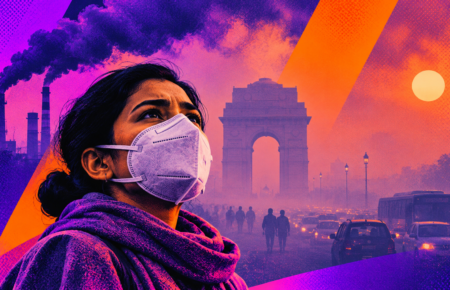
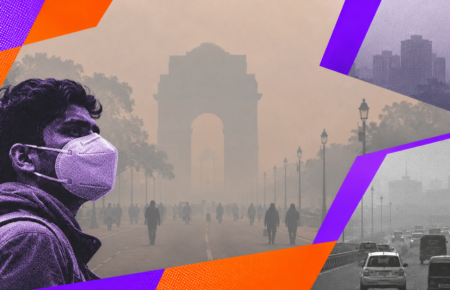
Delhi-NCR’s air pollution problem is once again raising health concerns as several monitoring stations across the capital record air quality in the Very Poor category. While Delhi’s overall Air Quality Index (AQI) was in the Poor category on November 19, 2026, individual locations reported significantly higher pollution levels. The situation highlights the health risks of prolonged exposure to polluted air, particularly for children, older adults and people with existing respiratory or heart conditions.
Delhi AQI Today: Several Areas Record Very Poor Air Quality
According to the Indian Institute of Tropical Meteorology’s Air Quality Early Warning System, Delhi’s overall AQI was categorised as Poor on November 19. However, monitoring stations in areas such as JNU, Sirifort, ITO, Talkatora Garden and NSUT Jaffarpur recorded AQI readings above 300, placing them in the Very Poor category.
The difference between the overall city reading and individual monitoring stations is important. Air quality can vary considerably across neighbourhoods depending on local pollution sources, weather conditions and the movement of pollutants.
The system’s forecast indicated that Delhi could experience Very Poor air quality on November 20 and 21. Unfavourable conditions for the dispersion of pollutants could make it harder for polluted air to clear.
How Does Air Pollution Affect Human Health?
Air pollution is not just an environmental concern. It can directly affect the respiratory and cardiovascular systems.
Fine particulate matter, particularly PM2.5, is among the major health concerns. These particles are small enough to travel deep into the lungs, and some can enter the bloodstream.
According to the World Health Organization (WHO), exposure to air pollution is associated with respiratory infections, heart disease, stroke and lung cancer. It can also worsen existing conditions such as asthma and chronic obstructive pulmonary disease.
Some common symptoms associated with exposure to polluted air include:
Persistent coughing and throat irritation
Breathlessness or difficulty breathing
Wheezing and chest discomfort
Irritation in the eyes and nose
Worsening asthma or other respiratory symptoms
People may experience different symptoms depending on their health, the level of pollution and the duration of exposure.
Who Is Most at Risk?
Although air pollution can affect everyone, certain groups face greater risks.
Children: Their lungs are still developing, and they may spend more time outdoors. Prolonged exposure can affect respiratory health.
Older adults: Age-related changes and existing medical conditions can make older people more vulnerable to polluted air.
People with asthma and lung diseases: Pollution can trigger symptoms, increase breathing difficulties and worsen existing respiratory conditions.
People with heart conditions: Fine particulate matter can contribute to cardiovascular stress and increase health risks.
Pregnant women should also take precautions because air pollution exposure has been associated with adverse pregnancy outcomes.
7 Practical Ways to Protect Yourself During High Pollution
While individual precautions cannot eliminate exposure, they can help reduce the amount of polluted air people breathe.
Check AQI before stepping outside: Use official monitoring platforms to understand local air quality rather than relying only on the citywide average.
Reduce outdoor exercise: Avoid running, cycling and strenuous physical activity outdoors when pollution levels are high.
Wear a well-fitting N95 mask: If going outside is unavoidable, a properly fitted respirator can help reduce exposure to fine particles.
Improve indoor air quality: Keep windows and doors closed when outdoor pollution is high. A suitable HEPA air purifier may help reduce indoor particulate matter.
Protect children and older adults: Limit their outdoor exposure during periods of poor air quality.
Avoid adding indoor pollution: Do not burn waste, incense or other materials unnecessarily, particularly in poorly ventilated rooms.
Seek medical advice when symptoms worsen: People experiencing persistent breathlessness, chest discomfort or worsening respiratory symptoms should consult a healthcare professional. Severe breathing difficulty or chest pain requires urgent medical attention.
Can Delhi-NCR Reduce Its Long-Term Pollution Exposure?
Personal precautions are useful, but they cannot replace broader pollution-control measures. Vehicle emissions, industrial activity, construction dust, waste burning and regional pollution sources all contribute to the problem.
The IITM source-apportionment estimates for Delhi show contributions from multiple sources, including transport, nearby industrial areas and stubble burning. This underlines why air pollution requires coordinated action across Delhi-NCR rather than isolated measures within the capital.
Delhi’s air quality is not simply a seasonal inconvenience. It is a public-health challenge that requires continuous monitoring, stronger emission controls and better urban planning.
For residents, the immediate priority is to understand local AQI levels, reduce unnecessary exposure and take symptoms seriously. Cleaner air ultimately depends on sustained action by governments, industries and citizens.
Disclaimer: This article is for general awareness and does not replace medical advice. People with existing health conditions should follow guidance from their healthcare professionals.


No Comment! Be the first one.