







Ultra-Processed Foods: Is India’s Changing Diet Creating a New Public Health Challenge?
India’s food habits are changing. Packaged snacks, sweetened beverages, instant meals and ready-to-eat products are becoming increasingly visible in everyday consumption. While these products...

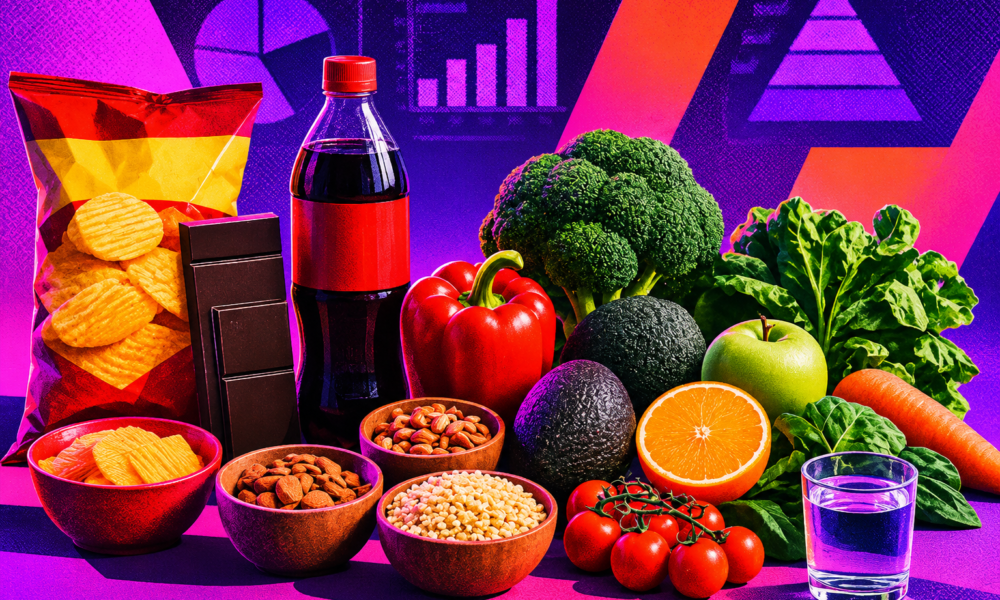
India’s food habits are changing. Packaged snacks, sweetened beverages, instant meals and ready-to-eat products are becoming increasingly visible in everyday consumption. While these products offer convenience and affordability, their growing presence is raising important questions about nutrition, obesity and long-term metabolic health.
The concern is no longer limited to what people eat. It also involves how food is manufactured, marketed, purchased and incorporated into everyday routines.
For India’s public health system, the growing consumption of ultra-processed foods presents a challenge that extends beyond individual dietary choices.
What Exactly Are Ultra-Processed Foods?
Ultra-processed foods are industrially formulated products that typically contain ingredients and additives not commonly used in home cooking.
Examples can include packaged sweetened beverages, confectionery, certain breakfast cereals, instant noodles, packaged savoury snacks and some ready-to-eat meals.
Not every packaged food is necessarily ultra-processed, and processing itself does not automatically make food unhealthy.
The distinction matters because the nutritional composition, ingredients, processing methods and overall dietary context determine the health implications of a product.
India’s Changing Food Consumption Patterns
Research published in The Lancet Regional Health – Southeast Asia in July 2026 examined the growing relevance of ultra-processed and high-fat, salt and sugar foods in India.
The paper highlighted rising processed-food expenditure and increasing obesity as important public health signals.
India’s Household Consumption Expenditure Survey showed that monthly per-capita expenditure on processed foods increased between 2011–12 and 2023–24, from 7.9% to 9.8% in rural areas and from 9% to 11.1% in urban areas, according to the research.
The paper also highlighted the need for better measurement of ultra-processed food consumption and clearer regulatory frameworks.
These trends suggest that India’s food environment is changing, although expenditure on processed foods should not be treated as a direct measure of ultra-processed food consumption.
Why Nutrition Quality Matters
A diet dominated by foods high in added sugar, sodium and saturated fat can make it harder to maintain a balanced nutritional intake.
Frequent consumption of energy-dense foods may also contribute to excessive calorie intake, particularly when these products displace vegetables, fruits, pulses and other nutrient-rich foods.
A 2025 study published in Nature Medicine, using data from 18,090 Indian adults in the ICMR-INDIAB survey, examined dietary patterns and metabolic risk.
It identified high consumption of lower-quality carbohydrates, including white rice, milled grains and added sugars, alongside high saturated-fat intake and low protein intake as important features of Indian dietary patterns.
The study found associations between higher carbohydrate intake and increased odds of newly diagnosed type 2 diabetes, prediabetes and obesity.
These findings are observational and do not establish that an individual food or nutrient independently causes these conditions.
The Connection Between Diet, Obesity and Metabolic Health
India is facing a growing challenge from non-communicable diseases, including type 2 diabetes, cardiovascular disease and hypertension.
Diet is one of several modifiable risk factors influencing metabolic health.
A dietary pattern containing excessive added sugars, low-quality carbohydrates and high amounts of unhealthy fats can contribute to poor nutritional quality and increase the risk of metabolic complications over time.
However, the relationship between diet and health is complex. Physical activity, genetics, sleep, socioeconomic conditions and access to healthcare also influence individual outcomes.
Why Food Labelling and Regulation Matter
Consumers often encounter multiple claims on food packaging, including low-fat, high-protein, natural and fortified.
Such claims do not always provide a complete picture of a product’s nutritional quality.
Clear ingredient lists, accessible nutritional information and effective front-of-pack communication can help consumers make more informed choices.
The 2026 research published in The Lancet Regional Health – Southeast Asia highlighted the need to distinguish ultra-processing from high-fat, salt and sugar nutritional profiles when designing food regulation.
This distinction is important because processing and nutritional composition are related but not identical concepts.
What Can Consumers Do?
Improving dietary quality does not require eliminating every packaged product.
Practical changes can include:
Increasing the consumption of vegetables, fruits, pulses and whole grains.
Choosing water or unsweetened beverages more frequently.
Comparing sodium, added sugar and saturated-fat content on food labels.
Reducing frequent dependence on packaged snacks and sugary drinks.
Maintaining regular meal patterns and balanced portions.
Seeking advice from qualified healthcare professionals or registered dietitians when managing specific health conditions.
India’s Nutrition Challenge Requires More Than Individual Choices
The growing availability of convenient packaged foods reflects wider changes in India’s economy, food industry and urban lifestyles.
Improving public health will require cooperation between consumers, food manufacturers, regulators, healthcare professionals and policymakers.
Better nutrition education, transparent labelling, stronger food environments and accessible healthy alternatives can all contribute to healthier dietary patterns.
The central question is not whether modern food processing should disappear. It is whether convenience can coexist with better nutritional quality.
For India’s public health system, that distinction could become increasingly important over the coming decade.
Health note: This article is for general educational purposes and is not a substitute for individual medical or dietary advice.



No Comment! Be the first one.