






Health Infrastructure in India: Facilities, Challenges and Development
Health infrastructure is an important part of India’s healthcare system. Hospitals, primary health centres, laboratories, medical equipment and trained healthcare workers help people access...


Health infrastructure is an important part of India’s healthcare system. Hospitals, primary health centres, laboratories, medical equipment and trained healthcare workers help people access medical care.
A strong healthcare system needs more than large hospitals. It also needs local facilities where people can receive basic treatment, preventive care and timely medical advice.
What Is Health Infrastructure?
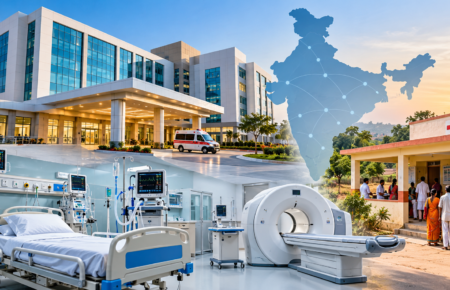
Health infrastructure includes the buildings, equipment, technology and services used to deliver healthcare. It covers government hospitals, private hospitals, community health centres, primary health centres and local health facilities.
It also includes diagnostic laboratories, ambulance services, medical supply systems and digital health services.
Why Does Health Infrastructure Matter?
Local healthcare facilities can help people receive treatment closer to home. They can also support vaccination, maternal care, child health services and the early identification of health problems.
Hospitals with suitable equipment and trained staff can provide more specialised treatment. However, having a building or medical device does not guarantee good care. Staff availability, maintenance and service quality are also important.
Health Infrastructure in India
India’s public health system includes sub-health centres, primary health centres, community health centres and district hospitals.
The National Health Mission publishes information about public health facilities and healthcare services. Its data can help readers understand the size and development of the public health network.
The availability of facilities and services varies across states and districts. Rural, remote and densely populated areas may face different challenges.
Key Challenges
Healthcare providers may face shortages of trained staff, limited equipment, maintenance costs and uneven access to specialist services.
Travel distance can also make it difficult for people in remote areas to reach hospitals. Better referral systems and transport can help patients access suitable treatment.
The Role of Technology
Digital records, telemedicine and online appointment systems can help connect patients with healthcare providers. These services need reliable technology, trained staff and protection for personal medical information.
Technology should support safe care rather than replace necessary in-person examinations.
What Can Improve Healthcare Infrastructure?
Long-term planning should consider local health needs, trained staff, reliable equipment and regular maintenance. Preventive care and stronger primary health services are also important.
Conclusion
Health infrastructure supports healthcare delivery across India. Better facilities, skilled workers, reliable equipment and accessible services can help improve the way people receive care.

No Comment! Be the first one.