








Healthcare Infrastructure in India: Hospitals, Equipment and Access to Care
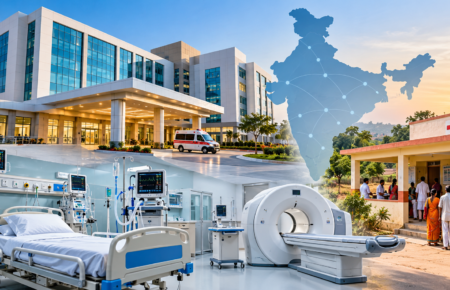
Healthcare infrastructure helps hospitals, clinics and other medical facilities provide treatment. It includes buildings, diagnostic equipment, operating theatres, beds, medical supplies and digital...


Healthcare infrastructure helps hospitals, clinics and other medical facilities provide treatment. It includes buildings, diagnostic equipment, operating theatres, beds, medical supplies and digital systems.
India’s healthcare system includes both public and private providers. Their facilities and services vary according to location, size and specialisation.
What Does Healthcare Infrastructure Include?
Healthcare infrastructure covers several areas:
Hospitals and local health centres
Medical laboratories and diagnostic equipment
Emergency services and ambulances
Medical technology and digital records
Water, electricity, sanitation and infection-control systems
These facilities need regular maintenance and trained staff to operate safely.
Why Is Hospital Equipment Important?
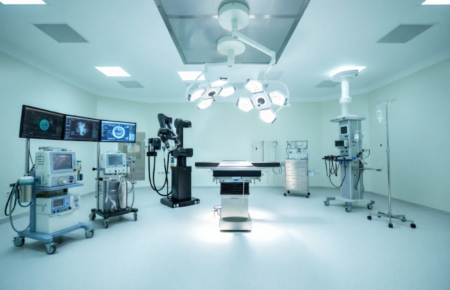
Medical equipment helps healthcare professionals examine patients, identify health problems and provide treatment. Examples include imaging systems, laboratory equipment and patient-monitoring devices.
Equipment must be maintained and used by trained professionals. Buying advanced technology without sufficient staff or maintenance can limit its value.
Access to Healthcare
The distance between a patient and a suitable medical facility can affect how quickly care is received. Rural communities may have fewer specialist services nearby, while large urban hospitals may face high demand.
Primary healthcare facilities can help people receive basic care and identify cases that need referral to a specialist.
Public and Private Healthcare
Government facilities provide a wide range of services, including programmes focused on public health and essential care. Private hospitals also contribute to healthcare delivery and may provide specialist services.
Costs, eligibility and available services differ between providers. Patients should check charges, insurance arrangements and the services offered at the relevant facility.
Key Areas for Improvement
Healthcare planning needs to consider staff recruitment, equipment maintenance, emergency transport, reliable supplies and patient safety.
Digital systems can also support appointments and medical records, provided personal information is protected.
Conclusion
Healthcare infrastructure is not simply about constructing more hospitals. It also involves maintaining facilities, training staff and making appropriate services accessible to patients.
Long-term investment and effective management can help healthcare providers respond to changing medical needs.



No Comment! Be the first one.