






World Mental Health Day 2026: India Highlights Accessible and Inclusive Mental Healthcare
World Mental Health Day is being observed on October 10, 2026, with India’s Union Health Ministry reaffirming its commitment to accessible, inclusive and people-centred mental healthcare. The...

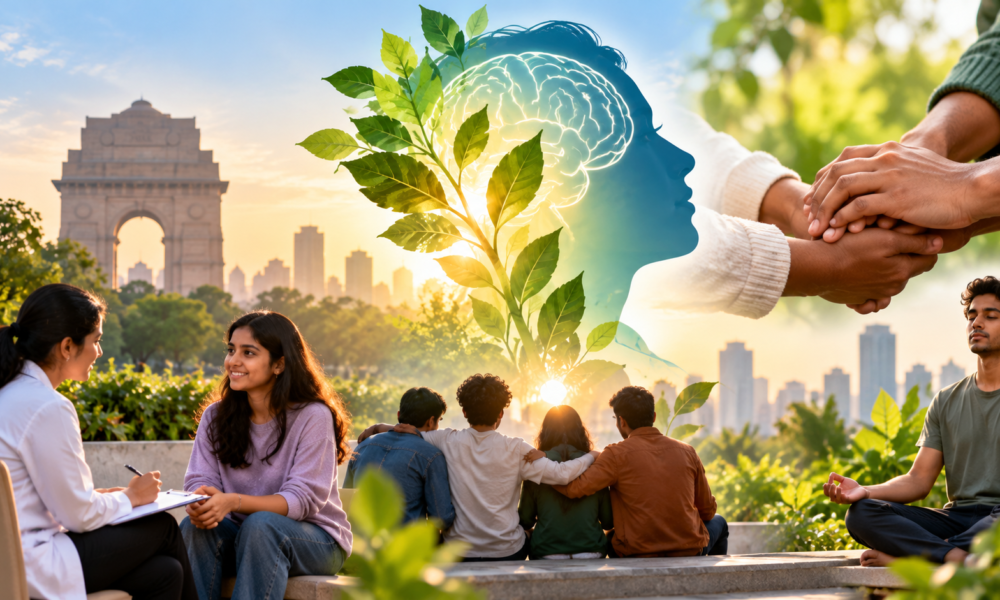
World Mental Health Day is being observed on October 10, 2026, with India’s Union Health Ministry reaffirming its commitment to accessible, inclusive and people-centred mental healthcare.
The ministry’s announcement, published on October 9, highlights the continuing importance of making mental health services responsive to people’s needs. The focus is relevant to discussions about how healthcare systems can improve access, reduce barriers to seeking help and support people experiencing mental health difficulties.
Mental health conditions can affect daily functioning, relationships, education and employment. Access to appropriate support is therefore an important part of public health rather than a concern limited to specialist clinical settings.
Why Access to Mental Healthcare Matters
People may face different barriers when seeking mental healthcare, including cost, limited local services, lack of information and concerns about stigma.
Services that are geographically accessible and affordable can make it easier for people to seek support when needed. Clear referral pathways between community services, primary healthcare and specialist providers can also help individuals navigate care.
However, announcing a commitment to accessibility does not by itself establish how widely services are available or how much access has improved. Assessing progress requires information about service capacity, availability, affordability and patient experience.
The Role of Community-Based Support
The World Health Organization has called for a shift from institutional approaches towards community-based mental healthcare. In a news release published on October 9, the WHO emphasised the importance of services that are closer to where people live and are integrated into broader systems of care.
Community-based services can include support delivered through local health facilities, trained professionals, outreach programmes and coordinated social services. The appropriate mix depends on local needs and the resources available.
Such services should not replace specialist or hospital treatment when these are clinically necessary. Rather, a well-connected system can help people receive the right level of care and move between services when their needs change.
Reducing Stigma and Improving Awareness
Public awareness campaigns can encourage people to recognise when they or someone close to them may need support. They can also help challenge the misconception that mental health difficulties should always be managed without professional assistance.
Awareness needs to be accompanied by accessible services. Encouraging people to seek help is less effective when appointments are unaffordable, local professionals are unavailable or referral systems are difficult to navigate.
Employers, schools, colleges and community organisations can contribute by promoting respectful environments and sharing reliable information about available support.
What Can Individuals Do?
People experiencing persistent emotional distress or difficulties with everyday functioning can consider speaking with a qualified mental health professional or healthcare provider.
Friends and family members can offer non-judgmental support, listen without dismissing concerns and help someone find appropriate professional care when needed.
In an emergency involving immediate danger, urgent local medical or emergency services should be contacted.
The Way Forward
World Mental Health Day provides an opportunity to examine whether mental healthcare is accessible in practice, not only in policy statements.
India’s stated commitment to inclusive and people-centred care highlights an important public-health priority. Progress will depend on service availability, trained professionals, continuity of care, community support and the ability of people to obtain help without unnecessary barriers.
A stronger mental healthcare system is one in which people can find appropriate support early, receive care suited to their needs and remain connected to services as their circumstances change.





No Comment! Be the first one.