






Centre Issues Heatwave Health Advisory as States Step Up Preparedness Measures
Health departments intensify monitoring while authorities urge precautions against heat related illnesses The Centre has issued a public health advisory amid rising temperatures across several parts...

Health departments intensify monitoring while authorities urge precautions against heat related illnesses
The Centre has issued a public health advisory amid rising temperatures across several parts of the country, placing renewed focus on heat related health risks and state level preparedness measures.
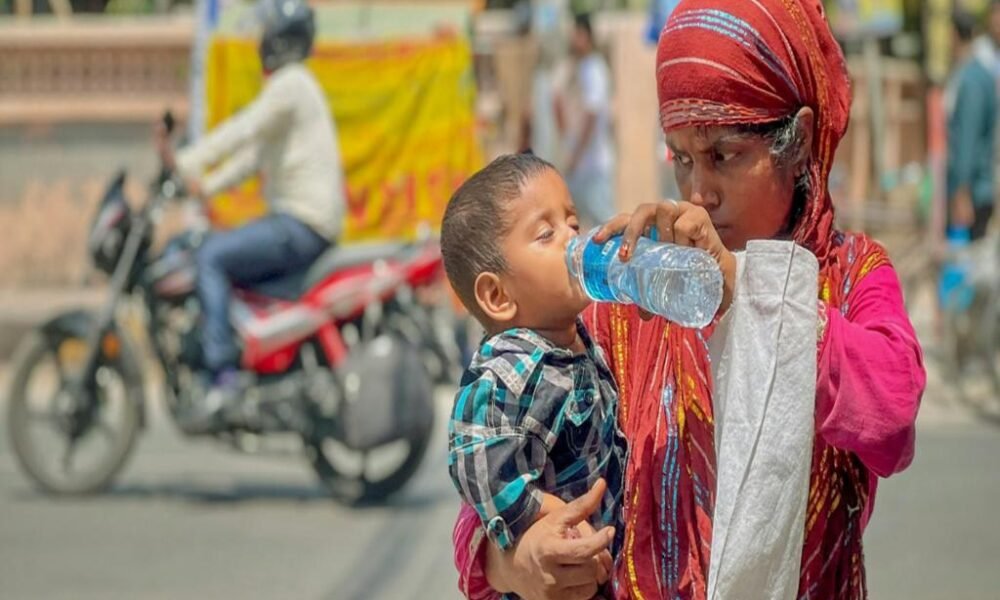
Health authorities have advised people to avoid prolonged exposure to extreme heat, stay hydrated and reduce outdoor activity during peak daytime hours. The advisory comes as multiple regions continue to report intense summer conditions, increasing concerns around dehydration, heat exhaustion and other temperature related illnesses.
Several states are also reviewing response mechanisms linked to hospitals, emergency care services and public awareness campaigns. Health officials in affected regions are expected to strengthen monitoring of vulnerable groups, including children, senior citizens, outdoor workers and people with existing medical conditions.
Public health experts say heatwaves are increasingly becoming a healthcare challenge that requires coordination between government departments, hospitals and local administrations. Early intervention, access to drinking water and timely medical attention remain important components of prevention strategies.
States Focus on Hospital Readiness and Public Awareness
As temperatures remain elevated, state health systems are being encouraged to maintain preparedness across primary health centres, hospitals and emergency response networks.
Authorities have also stressed the importance of community level awareness around warning signs such as dizziness, weakness, nausea and heat related fatigue.
Officials say upcoming weeks could remain critical for public health management if high temperature conditions continue across vulnerable regions. Governments are therefore expected to maintain close coordination around advisories, healthcare readiness and preventive communication efforts.







No Comment! Be the first one.