




Centre Launches New Home-Based Care Programme for High-Risk Newborns and Young Children
The Union Ministry of Health and Family Welfare has launched a new national programme to strengthen home-based healthcare for high-risk newborns and young children. The initiative aims to improve...

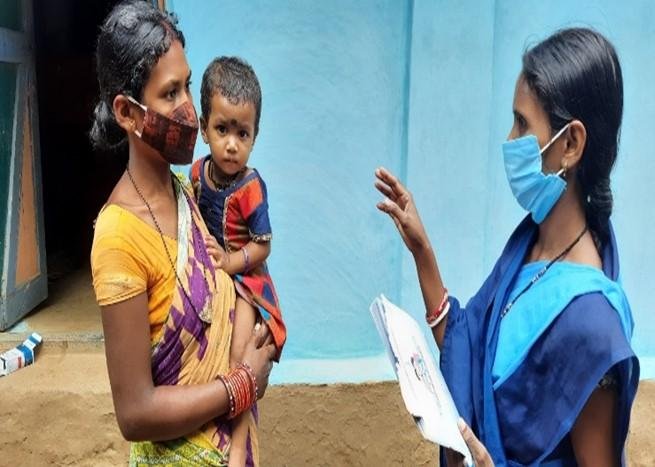
The Union Ministry of Health and Family Welfare has launched a new national programme to strengthen home-based healthcare for high-risk newborns and young children. The initiative aims to improve survival and long-term health outcomes by ensuring frequent follow-up visits by frontline healthcare workers during the first three years of a child’s life.
Under the programme, babies identified as high-risk due to conditions such as low birth weight, premature birth, birth complications or developmental concerns will receive additional home visits from Accredited Social Health Activists (ASHAs). These visits will focus on monitoring growth, nutrition, breastfeeding practices, immunisation status and early signs of illness.
Health experts say the first 1,000 days of a child’s life are crucial for physical and cognitive development. Regular home-based care enables early identification of health problems, timely referrals and continuous support for parents, reducing the risk of severe complications and preventable deaths.
The programme builds on existing maternal and child healthcare initiatives by expanding the role of community health workers beyond routine newborn care. ASHAs will receive updated guidance to monitor vulnerable children more closely and educate families about hygiene, nutrition and developmental milestones.
Public health specialists believe that strengthening community-based healthcare can significantly improve access to medical services, particularly in rural and underserved areas. Home visits also help bridge the gap between healthcare facilities and families who may face difficulties accessing hospitals regularly.
Officials have highlighted that the initiative aligns with the government’s broader commitment to reducing infant and child mortality while improving maternal and child health indicators. Digital tracking and monitoring systems will support healthcare workers in maintaining records and ensuring timely follow-up care.
Healthcare professionals note that preventive care delivered at the community level can reduce hospital admissions and improve overall child health outcomes. Early intervention remains one of the most effective strategies for identifying developmental delays, nutritional deficiencies and other health concerns before they become severe.
As the programme is rolled out nationwide, it is expected to strengthen India’s primary healthcare system by providing continuous support to vulnerable children during their most critical years of development. The initiative reflects the country’s growing focus on preventive healthcare and community-based medical services.





No Comment! Be the first one.