






ICMR Unveils National Roadmap to Build Healthier Food Habits Among Indian Children
India’s top nutrition experts have called for sweeping changes to children’s food environments as rising obesity rates threaten to fuel a future surge in diabetes, heart disease and other...
India’s top nutrition experts have called for sweeping changes to children’s food environments as rising obesity rates threaten to fuel a future surge in diabetes, heart disease and other non-communicable diseases. The Indian Council of Medical Research’s National Institute of Nutrition (ICMR-NIN), through its ‘Let’s Fix Our Food’ Consortium, has released a new policy document aimed at helping children and adolescents make healthier food choices.
The report, titled Priority Policy Actions to Promote Healthier Diets and Food Environments for Children and Adolescents in India, brings together nearly three years of research, policy discussions and stakeholder consultations. It proposes evidence-based measures to improve nutrition and reduce children’s exposure to unhealthy foods. The initiative has support from organisations including WHO, UNICEF India, FSSAI, the Public Health Foundation of India and several academic institutions.
The recommendations come at a crucial time. According to the World Obesity Atlas 2026, around 41 million Indian children aged between five and nineteen years are overweight or obese. If current trends continue, India could account for more than 11 per cent of the global childhood obesity burden by 2030. Excess weight in childhood significantly raises the risk of type 2 diabetes, hypertension, fatty liver disease and cardiovascular problems later in life.
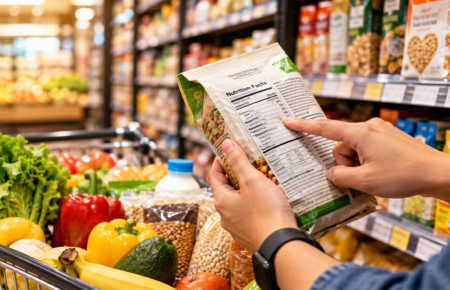
One of the key proposals is stronger regulation of foods high in fat, salt and sugar. The policy recommends clearer front-of-pack nutrition labels that allow parents and young consumers to identify healthier options quickly. It also supports tighter restrictions on the advertising of unhealthy foods directed at children, particularly across television, digital platforms and social media, where food marketing strongly influences eating habits.
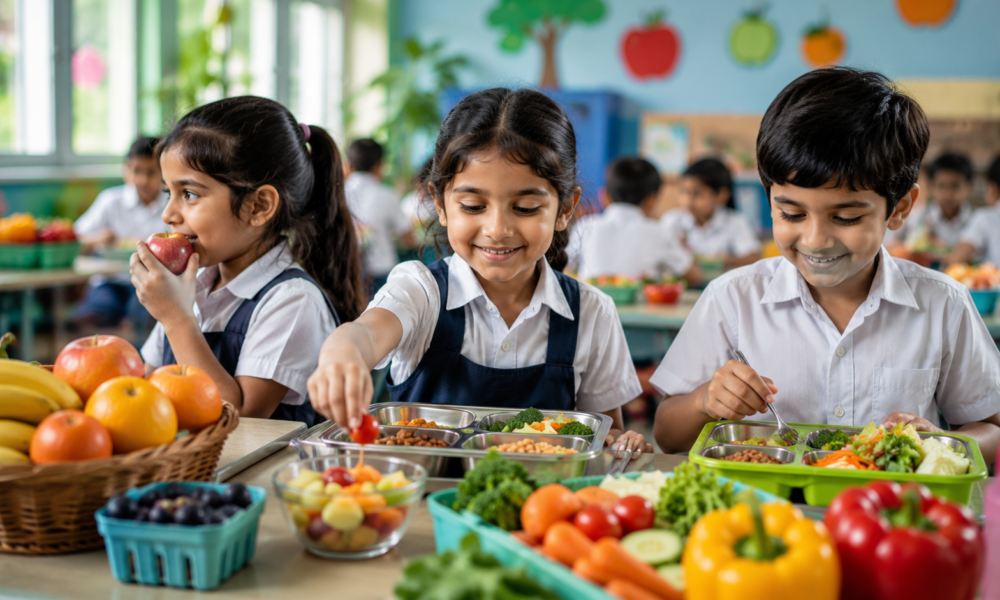
Schools are another major focus. The consortium recommends reviewing school canteens to ensure healthier food choices are available while reducing access to highly processed snacks and sugary drinks. Experts believe schools can play an important role in shaping lifelong eating habits by combining nutritious meals with nutrition education and physical activity.
The roadmap also encourages economic measures that make healthier foods more affordable while discouraging excessive consumption of unhealthy products. Researchers say creating healthier food environments is just as important as educating families because daily food choices are influenced by availability, pricing and marketing.
Health experts involved in the project stress that parents also have an important role. Preparing balanced meals at home, encouraging outdoor play, limiting sugary beverages and involving children in cooking can help establish healthier habits from an early age. Small changes made consistently can reduce the long-term risk of chronic diseases.
The recommendations complement wider government efforts to tackle childhood health challenges. Recent updates to the Rashtriya Bal Swasthya Karyakram (RBSK 2.0) have expanded screening to include conditions such as childhood diabetes, hypertension and mental health concerns, alongside stronger awareness campaigns promoting healthy lifestyles.
As India faces the dual challenge of undernutrition and rising obesity, experts believe prevention must begin early. By creating healthier food environments at home, in schools and across communities, policymakers hope to protect children’s health today while reducing the future burden on the healthcare system.





No Comment! Be the first one.