








India Expands Cancer Screening Programs to Promote Early Detection and Better Outcomes
Healthcare authorities across India are increasing efforts to strengthen cancer screening and early detection programs as the burden of non-communicable diseases continues to grow. Public health...


Healthcare authorities across India are increasing efforts to strengthen cancer screening and early detection programs as the burden of non-communicable diseases continues to grow. Public health experts believe that timely diagnosis remains one of the most effective ways to improve treatment outcomes and reduce mortality associated with various forms of cancer.
The expansion of screening initiatives is aimed at identifying cases at earlier stages when treatment is often more effective and less complex. Healthcare providers are encouraging individuals, particularly those in higher-risk age groups, to participate in regular health checkups and screening programs for common cancers such as breast, cervical and oral cancer.
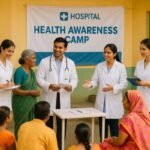
Medical professionals note that awareness remains a major challenge. Many patients seek medical attention only after symptoms become severe, reducing the likelihood of successful early intervention. As a result, healthcare organizations are intensifying awareness campaigns designed to educate communities about risk factors, warning signs and the importance of preventive healthcare.
Several states have strengthened community-level screening efforts through primary healthcare centers, mobile medical units and public health outreach programs. These initiatives aim to improve access to screening services, especially in underserved and rural areas where healthcare accessibility may be limited.
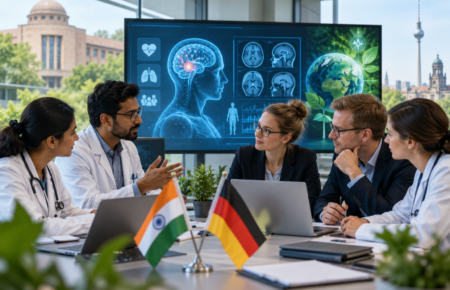
Technology is playing an increasingly important role in cancer care. Digital health records, telemedicine consultations and AI-assisted diagnostic tools are helping healthcare professionals improve screening efficiency and patient management. Experts believe such innovations could contribute to faster diagnosis and more personalized treatment strategies in the future.
Public health specialists emphasize that lifestyle factors such as tobacco use, unhealthy diets, physical inactivity and excessive alcohol consumption continue to contribute significantly to cancer risk. Awareness campaigns are therefore promoting healthier lifestyles alongside screening initiatives.
The healthcare sector is also witnessing increased investment in oncology infrastructure, including diagnostic facilities, specialized treatment centers and advanced medical technologies. Strengthening healthcare capacity is considered essential as demand for cancer-related services continues to rise.
Government-led programs and healthcare partnerships are supporting broader efforts to improve cancer prevention and treatment outcomes. Policymakers view early detection as a critical component of long-term healthcare planning and disease management strategies.
Experts stress that regular screenings, public awareness and accessible healthcare services can significantly improve survival rates and quality of life for patients. Continued expansion of preventive healthcare initiatives will therefore remain a priority within India’s healthcare system.
As awareness grows and healthcare infrastructure continues to improve, cancer screening programs are expected to play an increasingly important role in reducing disease burden and promoting better public health outcomes across the country.






No Comment! Be the first one.