







Medical Experts Highlight Simulation-Based Training to Improve Patient Safety and Clinical Skills
Medical experts from across India have stressed the importance of simulation-based training in modern medical education during the SimuVerse 2026 national conference held at Baba Farid University of...

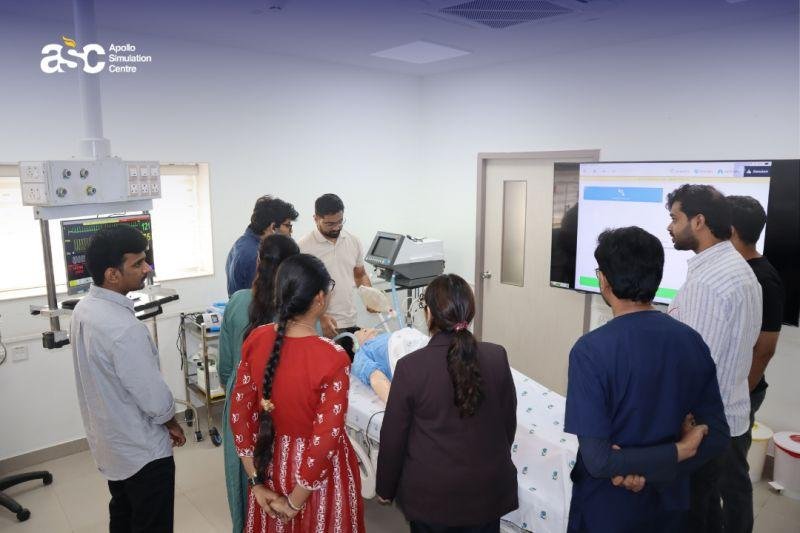
Medical experts from across India have stressed the importance of simulation-based training in modern medical education during the SimuVerse 2026 national conference held at Baba Farid University of Health Sciences (BFUHS) in Faridkot, Punjab. The conference focused on strengthening competency-based medical education, with experts highlighting how realistic simulation exercises can improve clinical decision-making, patient safety and the practical skills of healthcare professionals.
Simulation-based learning enables medical students and healthcare workers to practise emergency procedures, surgical techniques and critical care management in a controlled environment before treating real patients. Experts believe this approach reduces medical errors, improves teamwork and enhances confidence among future healthcare professionals.
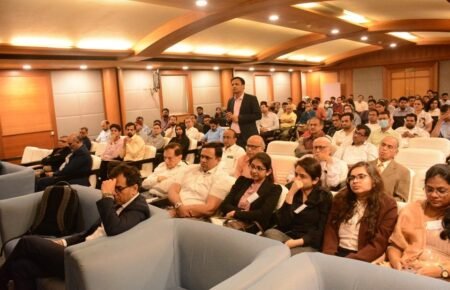
The conference brought together medical educators, policymakers, doctors and academicians to discuss innovations in healthcare education. Speakers emphasised that competency-based training should focus not only on theoretical knowledge but also on communication, ethics, leadership and clinical judgement, ensuring graduates are better prepared for real-world healthcare challenges.
Healthcare specialists noted that simulation laboratories allow repeated practice without putting patients at risk. Advanced mannequins, virtual reality systems and digital simulation technologies help students experience complex medical scenarios such as cardiac emergencies, trauma care and intensive care management while receiving immediate feedback from instructors.
Experts also highlighted that simulation training supports interdisciplinary collaboration by enabling doctors, nurses and allied healthcare professionals to train together. Such collaborative exercises strengthen coordination during emergencies and improve the overall quality of patient care.
India has been gradually expanding competency-based medical education under recent curriculum reforms, with medical institutions investing in simulation centres and digital learning technologies. Educators believe these initiatives will produce healthcare professionals who are better equipped to deliver safe, efficient and patient-centred care.
Medical experts concluded that integrating simulation-based education into routine medical training is essential for improving healthcare outcomes. As more institutions adopt modern teaching methods, simulation is expected to play a key role in strengthening clinical competence and enhancing patient safety across India’s healthcare system.







No Comment! Be the first one.