



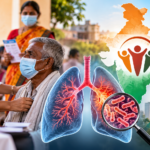




WHO Adds Air Pollution to Dementia Prevention Guidelines, Highlighting New Health Challenge for India
The World Health Organization (WHO) has updated its global guidance on dementia prevention, officially recognising air pollution as a modifiable risk factor for cognitive decline for the first time....


The World Health Organization (WHO) has updated its global guidance on dementia prevention, officially recognising air pollution as a modifiable risk factor for cognitive decline for the first time. The revised recommendations mark a significant shift in global public health thinking, particularly for countries such as India, where air quality remains a major concern.
According to the WHO, nearly 45% of dementia cases worldwide could potentially be delayed or prevented by addressing lifestyle and environmental risk factors. Along with controlling high blood pressure, diabetes, obesity, smoking, physical inactivity and hearing loss, reducing long term exposure to air pollution is now part of the organisation’s evidence based advice.
Dementia affects more than 57 million people globally, with almost 10 million new cases diagnosed every year. While there is currently no cure, experts say prevention offers one of the strongest opportunities to reduce the growing burden of the disease. The latest guidance encourages governments, healthcare providers and individuals to focus on healthy ageing throughout life rather than waiting until symptoms appear.
For India, the recommendations carry particular importance. Many Indian cities continue to record some of the world’s highest levels of fine particulate matter (PM2.5), which has already been linked to heart disease, stroke and respiratory illnesses. Emerging scientific evidence now suggests that prolonged exposure to polluted air may also contribute to inflammation and damage in the brain, increasing the likelihood of cognitive decline later in life.
The updated guidelines also reinforce the importance of regular physical activity, a balanced diet, avoiding tobacco, limiting alcohol intake and effectively managing hypertension, diabetes and cholesterol. WHO advises against relying on vitamin supplements, omega 3 fatty acids or multivitamins solely for dementia prevention unless a nutritional deficiency has been diagnosed.
Indian experts contributed to the development of the revised guidance, including specialists from AIIMS and NIMHANS, underlining India’s growing role in global public health research. Their participation reflects increasing collaboration in tackling diseases that are expected to rise as populations age.
Public health professionals believe the updated recommendations should encourage greater investment in cleaner environments alongside healthier lifestyles. Reducing emissions, improving urban air quality and increasing public awareness may not only benefit respiratory and cardiovascular health but also help protect brain health over the long term.
For individuals, the message is straightforward. While genetics cannot be changed, many risk factors for dementia can be managed through daily choices. Staying physically active, maintaining a healthy weight, controlling chronic conditions, protecting hearing, avoiding smoking and reducing exposure to polluted environments all contribute to healthier ageing.
As India’s elderly population continues to grow, preventive healthcare is becoming increasingly important. The WHO’s latest guidance serves as a reminder that brain health begins long before old age, and that environmental quality is now recognised as an essential part of protecting cognitive wellbeing for future generation






No Comment! Be the first one.